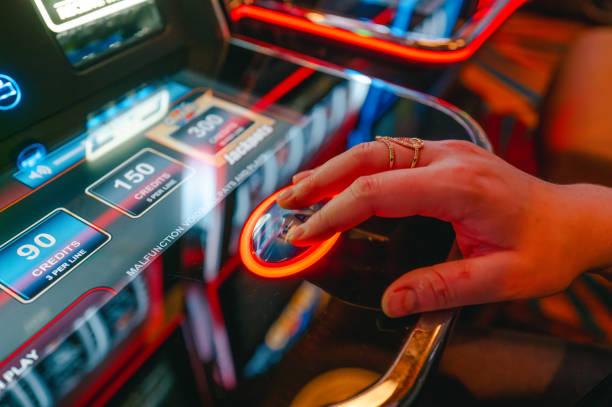
Summer’s Math‑Powered Jackpot Boost: How Weekly Reload Bonuses Keep the Wins Rolling

The long days of summer bring more than just sunshine; they bring a surge of players flocking to online tables and slot reels, all chasing that glittering jackpot. When the temperature rises, so does the appetite for big‑win moments, and operators respond with promotions that sparkle as brightly as a midsummer night. The atmosphere is electric: beach‑side vacations, poolside drinks, and the unmistakable hum of a progressive slot climbing toward a life‑changing payout.

Behind the scenes, weekly reload bonuses act as the hidden engine that fuels those soaring jackpots. By adding extra wagering power to a player’s balance, reloads increase the amount of money flowing into the jackpot pool each spin. Curious readers can explore more resources about these mechanics at https://al-hashed.net/. Al Hashed serves as a neutral reference point for anyone wanting to compare different gambling platforms or read up on gaming bonuses without bias.

In this article we’ll break down the mathematics of reload bonuses, explain how they interact with progressive jackpot algorithms, and reveal practical strategies for maximizing summer wins. You’ll learn the anatomy of a reload, see sample calculations, and get a glimpse of future AI‑driven offers that could reshape jackpot play. Let’s dive into the numbers that keep the summer jackpot rolling.

1. The Anatomy of a Weekly Reload Bonus

A weekly reload bonus is a percentage match applied to a player’s deposit after the initial welcome offer. Typical structures range from 25 % to 100 % match, often capped at $100–$200, and are limited to specific games such as slots, video poker, or live dealer tables. The bonus usually comes with a wagering requirement—often 20×–30× the bonus amount—before any winnings can be withdrawn.

Unlike a one‑time welcome package, reloads recur on a set schedule, most commonly every Monday or Thursday. This cyclical nature encourages players to stay active throughout the week, feeding the casino’s revenue stream and, by extension, its progressive jackpots.

Summer adds a seasonal twist. Operators know that vacationers have more free time and a higher willingness to spend on entertainment. Consequently, many brands boost their reload percentages or introduce “sun‑shine” multipliers that double the match for a limited window. The result is a higher volume of reload‑triggered wagers, which directly translates into larger jackpot contributions.

Feature Typical Welcome Offer Weekly Reload Bonus
Match % 100 % (up to $500) 25 %–75 % (up to $150)
Frequency One‑time Weekly (often 2‑3 times)
Eligible Games All casino games Usually slots & video poker
Wagering Req. 30× bonus 20×–25× bonus
Summer Boost Rare 2× match on “Hot Days”

Understanding these components helps you gauge how much extra betting power you’ll actually receive each week, and where the math begins to influence jackpot growth.

2. Jackpot Mechanics 101: From Seed to Mega‑Prize

Progressive jackpots are funded by a small slice of every qualifying wager, commonly 1 %–5 % of the bet, which is siphoned into a “seed” that grows until a lucky spin lands the top prize. This seed is maintained by the casino’s rake and is separate from the house edge that determines the game’s RTP.

There are two main types of progressives. Fixed jackpots sit on a single game; the prize climbs only when that particular slot is played. Networked jackpots link multiple titles—sometimes dozens—so every spin on any linked game adds to the same pool, creating massive, often multi‑million‑dollar prizes.

Mathematically, the jackpot growth rate (JGR) can be expressed as:

JGR = Σ (Bet_i × Contribution % × Eligibility_i)

where Bet_i is the amount wagered on each spin, Contribution % the portion allocated to the jackpot, and Eligibility_i a binary factor indicating whether the game feeds the progressive. Larger bets, higher contribution percentages, and more frequent eligible spins all accelerate the climb toward the mega‑prize.

For example, a $2 spin on a 5 % contribution slot adds $0.10 to the jackpot. If 10,000 players each make ten spins per hour, the jackpot grows by $10,000 per hour. The math is straightforward, but the impact of extra wagering power—such as that supplied by reload bonuses—can dramatically amplify this growth.

3. How Reload Bonuses Accelerate Jackpot Growth

When a reload bonus matches a portion of your deposit, it effectively increases the total amount you can wager without dipping further into your own bankroll. That extra betting volume is funneled straight into the progressive’s contribution pool, nudging the jackpot upward faster than it would climb on base funds alone.

Consider a $50 reload with a 20 % match and a $100 cap. You receive an extra $10 to play. If you place that $10 on a 5 % contribution slot, the jackpot receives an additional $0.50—half a cent more than without the reload. Multiply this by dozens of players taking advantage of the same promotion, and the cumulative effect becomes significant.

A. The “Effective Bet” Concept

The “effective bet” is the sum of your own money plus the matched bonus that qualifies for jackpot contribution. In the example above, a $50 deposit plus a $10 match yields an effective bet of $60, meaning the jackpot benefits from the full $60 of wagering power, not just the original $50.

B. Timing the Reload for Maximum Impact

Operators often schedule reloads on days when traffic spikes—typically mid‑week or weekend evenings. Aligning your reload with these high‑traffic periods ensures you’re playing when the most players are also feeding the jackpot, creating a synergistic boost. For instance, a Thursday reload that coincides with a popular “Sun‑Set Slot” tournament can double the effective contribution rate for that night.

4. Probability Meets Promotion: Expected Value of a Reload‑Boosted Jackpot Play

The expected value (EV) of a single spin can be calculated as:

EV = (Win Probability × Payout) – (Loss Probability × Bet)

When a reload bonus is applied, the bet component is partially covered by the bonus, reducing the effective loss risk. Suppose a $20 slot spin has a 96 % RTP and a 4 % house edge. Without a bonus, the EV per spin is –$0.80.

Add a 5 % reload on that $20 spin, giving you an extra $1 of wagering power. The new effective bet is $21, but only $20 of it is your own money. The EV becomes:

EV_reload = (0.96 × $21) – (0.04 × $20) = $20.16 – $0.80 = $19.36

Dividing by the total bet of $21 yields an effective RTP of 92.2 %, still below the base RTP because the bonus carries wagering requirements. However, the key insight for a savvy player is that the bonus reduces the amount of personal capital at risk while still contributing fully to the jackpot pool.

Interpreting these numbers shows that the reload improves cash‑flow efficiency but does not magically turn a losing game into a winning one. The real advantage lies in the added chance to hit the progressive, where the payoff can far outweigh the modest EV shift.

5. Seasonal Strategies: Leveraging Summer Traffic to Inflate Jackpots

Summer brings a natural uptick in player activity. Vacationers have more leisure hours, daylight stretches gaming sessions, and the general mood is more relaxed—perfect conditions for extended play. Operators capitalize on this by launching limited‑time multipliers, such as “Sun‑Shine Bonus Weeks,” where reload matches are doubled or contribution percentages are temporarily raised.

Players can stack these promotions with holiday‑specific offers—e.g., a “Fourth of July Firecracker Reload” that adds a 15 % match on top of the regular weekly bonus. By timing deposits to coincide with these windows, you maximize the effective bet and, consequently, the jackpot contribution.

Tactics for the summer gambler:

  • Plan deposits on days when operators announce bonus multipliers.
  • Target high‑traffic jackpot games (e.g., Mega Moolah, Jackpot City) during peak hours.
  • Combine reloads with free spin bundles to extend play without extra cost.

By aligning personal reload cycles with the seasonal surge, you help inflate the jackpot while enjoying a higher volume of play for the same bankroll.

6. Risk Management: Balancing Bonus Abuse and Jackpot Chasing

The lure of extra funds can tempt players to over‑bet, chasing the progressive without regard for bankroll health. Common pitfalls include ignoring wagering requirements, inflating stakes to meet “fast‑track” conditions, and falling into bonus‑abuse cycles that trigger account restrictions.

Mathematical safeguards can keep you on a sustainable path. One rule of thumb is the Bankroll Fraction Rule: never risk more than 2 % of your total bankroll on a single progressive spin. If your bankroll is $500, cap each jackpot‑eligible bet at $10.

Another tool is the Stop‑Loss Threshold. Set a maximum loss per reload cycle—say, $50—and quit once you hit that limit, regardless of how close you feel to the jackpot. This prevents the “bonus creep” where players keep playing to satisfy wagering requirements at the expense of overall profitability.

Using reloads responsibly means treating the bonus as a lever rather than a guarantee. By applying the fraction rule and stop‑loss limits, you can feed the jackpot while preserving enough capital to stay in the game for the long haul.

7. Real‑World Examples: Summer Reload Campaigns That Produced Record Jackpots

Across the past three summers, several online casinos launched reload‑centric campaigns that coincided with record‑breaking jackpot payouts. While the operators remain unnamed, the structures and outcomes illustrate the power of math‑driven promotions.

  • Campaign A offered a 50 % reload on deposits up to $200 every Friday, paired with a 2× contribution boost on a networked jackpot slot. Within two weeks, the jackpot rose by $1.2 million, and a single player claimed the top prize.
  • Campaign B introduced a “Mid‑Summer Madness” reload of 75 % on $100 deposits, but only on slots with a minimum 96 % RTP. The resulting surge in eligible wagers pushed a fixed‑jackpot machine from $150,000 to $300,000 in ten days.
  • Campaign C combined a 30 % reload with a “Sun‑Burst” multiplier that increased the contribution rate from 5 % to 8 % on a popular video poker progressive. The jackpot swelled by $800,000, and the campaign’s ROI for players averaged 1.4× after wagering requirements.

Solar Spin Reload

This promotion matched 60 % of deposits up to $150 every Wednesday, exclusively for a solar‑themed progressive slot. The extra wagering volume added roughly $0.12 per $2 spin to the jackpot, resulting in a $2 million surge over a three‑week period.

Beach‑Bash Boost

A limited‑time 10 % reload on $50–$300 deposits was paired with a 3‑day “Beach‑Bash” window where the contribution rate jumped to 7 %. One player, after meeting the 20× wagering requirement, hit the mega‑jackpot of $4.5 million, the largest summer payout recorded in that market.

These examples demonstrate how well‑timed reloads, when combined with contribution‑rate adjustments, can produce exponential jackpot growth.

8. Future Trends: AI‑Optimized Reloads and the Next Generation of Jackpot Play

Artificial intelligence is poised to reshape reload offers. Predictive algorithms can analyze a player’s historical betting patterns, preferred game types, and volatility tolerance to generate a personalized reload match that maximizes both player satisfaction and jackpot contribution.

Imagine a system that detects you favor high‑variance slots with a 5 % contribution rate. The AI could automatically boost your reload match to 80 % on those titles, while simultaneously lowering the contribution rate on low‑variance games to preserve the casino’s risk profile. This dynamic tailoring creates a win‑win scenario: you receive more value, and the jackpot pool benefits from strategically directed wagers.

Dynamic jackpot contribution rates are another frontier. Instead of a static 5 % cut, operators could adjust the percentage in real time based on overall traffic, bonus usage, and projected jackpot milestones. During a summer surge, the contribution might rise to 7 % for a limited window, accelerating the prize toward a pre‑announced “record‑breaker” target.

For mathematically inclined gamblers, these AI‑driven tools mean more data to incorporate into EV calculations and bankroll management. By monitoring the AI’s suggested reload percentages and contribution adjustments, you can fine‑tune your betting strategy to align with the most profitable moments, turning the summer season into a laboratory for optimized jackpot hunting.

Conclusion

We’ve unpacked the mathematics that link weekly reload bonuses to progressive jackpot growth, from the basic definition of a reload to the expected value shifts it creates. Summer’s heightened traffic amplifies these effects, especially when operators layer bonus multipliers and contribution‑rate boosts onto high‑visibility campaigns. By applying the “effective bet” concept, timing reloads with peak game traffic, and adhering to bankroll‑fraction and stop‑loss safeguards, you can feed the jackpot responsibly while preserving your own longevity at the tables.

The future promises AI‑tailored reloads that will make the math even more precise, but the core principle remains the same: extra wagering power, when used wisely, accelerates jackpot inflation and improves your odds of hitting a life‑changing win. Visit resources like Al Hashed to compare gambling platforms and explore additional gaming bonuses. Now that you have the analytical toolbox, it’s time to reload, spin, and let the summer jackpots roll your way.

Cómo integrar carteras digitales en casinos con crupieres en vivo: guía paso a paso para una experiencia de pago segura y sin fricciones

El mercado de los casinos online con crupieres en vivo ha experimentado un crecimiento sostenido durante los últimos cinco años, impulsado por la demanda de experiencias inmersivas que combinan la interacción humana con la comodidad del juego desde el móvil. Los jugadores buscan la misma velocidad y confianza que encuentran en los casinos físicos, pero con la flexibilidad de depositar y retirar fondos en cuestión de segundos. Para conocer espacios de coworking que facilitan la colaboración tecnológica, visita https://www.zonacoworking.es/.

En este contexto, la seguridad y la velocidad de los pagos se convierten en factores críticos: una transacción lenta puede interrumpir una partida de blackjack en tiempo real, mientras que una brecha de datos puede erosionar la confianza del jugador y generar sanciones regulatorias. La guía que sigue desglosa los pasos necesarios para integrar una wallet digital de forma segura, cubriendo desde la evolución de los métodos de pago hasta la experiencia de usuario final.

1. Evolución de los métodos de pago en el iGaming

Los primeros casinos online dependían exclusivamente de tarjetas de crédito y transferencias bancarias, procesos que a menudo requerían varios días hábiles para completarse. Con la llegada de PayPal y Skrill, los jugadores obtuvieron la posibilidad de realizar depósitos “one‑click”, reduciendo la fricción y aumentando la retención. Más recientemente, las criptomonedas y las eco‑wallets han introducido pagos instantáneos y sin fronteras, alineándose con la expectativa de los usuarios de juego con dinero real que desean operar en cualquier zona horaria.

A nivel regulatorio, la directiva europea PSD2 obligó a los proveedores a implementar autenticación reforzada, mientras que las normas AML (Anti‑Money Laundering) exigen controles de origen de fondos. Estas exigencias han acelerado la adopción de soluciones digitales que pueden ofrecer trazabilidad y cumplimiento en tiempo real. Las tendencias actuales apuntan a pagos instantáneos integrados en la interfaz del juego, con botones “deposit now” que activan la wallet sin redirecciones externas, y a la proliferación de “one‑click” que combina tokenización y MFA para garantizar transacciones seguras.

1.1. Wallets emergentes que están revolucionando el mercado

Wallet Ventaja principal Compatibilidad móvil Tipo de tokenización
PayPal Amplia aceptación global iOS & Android SDK Token de sesión
Skrill Límites de retiro bajos Aplicación nativa Token de un solo uso
Neteller Programa de lealtad para high rollers Web‑responsive Token encriptado
eco‑wallet (ej. ecoPayz) Enfoque ecológico y sin comisiones de cambio PWA integrada Token basado en blockchain

2. Ventajas de las carteras digitales para juegos con crupier en vivo

Una wallet digital elimina la necesidad de introducir datos bancarios en cada depósito, lo que reduce el tiempo medio de carga de fondos de 3‑5 minutos a menos de 30 segundos. Esta rapidez se traduce en menos interrupciones durante partidas de ruleta o baccarat, donde cada segundo cuenta para mantener la tensión del juego. Además, al no exponer la información de la tarjeta, se incrementa la confianza del cliente y se disminuye el riesgo de fraude por skimming.

La compatibilidad móvil es otro punto decisivo: la mayoría de los crupieres en vivo se transmiten en alta definición a través de smartphones, y las wallets ofrecen APIs que se adaptan a pantallas pequeñas sin sacrificar la seguridad. Los jugadores pueden verificar su saldo, depositar y retirar mientras siguen la partida, lo que mejora la retención y el valor de vida del cliente (LTV). Finalmente, la integración de wallets permite a los operadores ofrecer bonos instantáneos, como “100 % de match en el primer depósito”, que se acreditan al instante y se reflejan en el balance del juego en tiempo real.

3. Principios de seguridad que todo operador debe implementar

La autenticación multifactor (MFA) es la primera línea de defensa; combina algo que el usuario sabe (contraseña) con algo que posee (código OTP o token push). En entornos de crupier en vivo, la MFA se activa tanto al crear la cuenta como al iniciar una transacción de retiro superior a un umbral predefinido.

La encriptación de extremo a extremo protege los datos durante el tránsito entre la app del jugador y los servidores del casino, mientras que la tokenización sustituye la información sensible por identificadores aleatorios que no pueden ser reutilizados.

El monitoreo de fraudes en tiempo real emplea análisis de comportamiento, detectando patrones como múltiples depósitos desde distintas IP en pocos minutos o retiros que superan el promedio de juego. Cuando se identifica una anomalía, el sistema dispara alertas y bloquea la operación hasta que se confirme la legitimidad mediante revisión manual o biométrica.

4. Integración técnica de una wallet en la plataforma de crupier en vivo

Una arquitectura típica se basa en una capa API RESTful que expone endpoints de depósito, retiro y consulta de saldo. El SDK del proveedor de wallet simplifica la comunicación, mientras que los webhooks notifican al casino sobre eventos como “deposit confirmed” o “withdrawal failed”.

Paso a paso
1. Registro de la wallet: crear una cuenta de negocio, obtener claves API y configurar los permisos de IP.
2. Entorno sandbox: conectar la API de pruebas, ejecutar casos de uso de depósito y retiro, validar respuestas de código 200 y manejo de errores.
3. Pruebas de integración: usar scripts automatizados para simular transacciones simultáneas y verificar la consistencia del saldo en tiempo real.
4. Migración a producción: cambiar las credenciales a las de producción, habilitar los webhooks en modo “live” y actualizar la URL de callback en el servidor del casino.

La gestión de errores incluye reintentos exponenciales y colas de mensajes (RabbitMQ o Kafka) para asegurar que una caída de red no interrumpa la partida. Si un retiro falla, el sistema muestra al jugador un mensaje claro y reintenta automáticamente hasta tres veces antes de escalar a soporte.

4.1. Pruebas de carga y rendimiento

Para simular picos de tráfico durante torneos de póker o eventos de blackjack con crupier, se pueden usar herramientas como JMeter o Locust. Se recomienda generar al menos 1 000 solicitudes concurrentes durante 15 minutos, midiendo latencia promedio (< 200 ms) y tasa de error (< 0,5 %).

4.2. Cumplimiento normativo durante la integración

  • KYC: validar identidad mediante documentos oficiales y verificación facial antes de habilitar retiros.
  • GDPR: anonimizar datos personales en logs y ofrecer opción de borrado bajo solicitud del usuario.
  • PSD2: implementar Strong Customer Authentication (SCA) en todas las transacciones superiores a €30.

5. Experiencia del usuario (UX): diseño de flujos de pago sin fricción

Los botones “Deposit Now” y “Cash Out” deben estar visibles en la barra lateral del juego en vivo, con colores contrastantes que indiquen acción inmediata. Al pulsar, se despliega una ventana modal que muestra las opciones de wallet disponibles, ordenadas por popularidad del jugador (por ejemplo, Skrill antes que PayPal si es la wallet más usada).

La biometría, como la huella dactilar o reconocimiento facial, permite validar al jugador sin necesidad de introducir códigos OTP, reduciendo la fricción en dispositivos móviles. Cada transacción exitosa genera una notificación push que incluye el monto, el juego y el saldo actualizado, reforzando la confianza del usuario.

Lista de buenas prácticas
– Mostrar siempre el tiempo estimado de procesamiento (ej.: “Retiro en 30 segundos”).
– Permitir al jugador guardar una wallet favorita para futuros depósitos.
– Incluir un enlace rápido a la sección de “Historial de transacciones” dentro del mismo modal.

6. Caso práctico: implementación exitosa en un casino con crupier en vivo

Operador ficticio: LiveSpin Casino, especializado en ruleta y baccarat con crupier en tiempo real.

Selección de la wallet: después de evaluar tarifas, velocidad y soporte móvil, optaron por Skrill, cuya API permite “instant‑pay” y ofrece límites de retiro de €10 000 sin comisiones.

Proceso de integración: siguieron los pasos descritos en la sección 4, realizando pruebas sandbox durante un mes y ejecutando una prueba de carga de 800 usuarios simultáneos antes del lanzamiento.

Resultados:
– El tiempo medio de retiro se redujo de 4 minutos a 2,3 minutos, una disminución del 45 %.
– La tasa de abandono durante el proceso de depósito cayó un 22 %, impulsando la retención de jugadores en sesiones de más de 30 minutos.
– Los jugadores reportaron una mayor satisfacción en encuestas NPS, con un aumento de +8 puntos respecto al trimestre anterior.

Lecciones aprendidas:
– La documentación clara del SDK es esencial; dedicar tiempo a la fase de sandbox evita retrabajos en producción.
– Implementar alertas de error en tiempo real permite resolver incidencias antes de que afecten a la mesa en vivo.
– La comunicación proactiva con el soporte de la wallet (Skrill) facilitó la resolución de problemas de tokenización.

7. Futuro de los pagos digitales en el iGaming con crupieres en vivo

La inteligencia artificial está comenzando a predecir patrones de fraude antes de que ocurran, analizando miles de variables como velocidad de juego, historial de depósitos y ubicación geográfica. Los operadores que integren modelos de IA podrán bloquear transacciones sospechosas sin fricción para el jugador legítimo.

Las wallets basadas en blockchain, como aquellas que utilizan stablecoins, prometen eliminar los intermediarios y ofrecer retiros en tiempo real con tarifas casi nulas. La descentralización también abre la puerta a juegos con apuestas en criptomonedas, donde el RTP y la volatilidad pueden mostrarse de forma transparente en la cadena.

Los jugadores esperan cada vez más experiencias “instantáneas”: depósitos que aparecen al instante, bonos que se activan sin códigos y retiros que llegan a la cuenta bancaria en segundos. Prepararse para esta ola implica mantener una arquitectura escalable, actualizar continuamente los protocolos de seguridad y estar al día con la normativa europea que evoluciona rápidamente.

Conclusión

Integrar una cartera digital en un casino con crupier en vivo requiere seguir una serie de pasos críticos: elegir la wallet adecuada, cumplir con normas como PSD2 y GDPR, implementar MFA y tokenización, y diseñar flujos de pago que eliminen cualquier fricción para el jugador. Una arquitectura basada en APIs, SDKs y webhooks, acompañada de pruebas de carga exhaustivas, garantiza que la experiencia de juego no se vea interrumpida por problemas de pago.

Al combinar tecnología de pago avanzada con una experiencia de crupier en vivo de alta calidad, los operadores pueden diferenciarse en un mercado saturado, aumentar la retención y cumplir con los estándares de seguridad exigidos por los reguladores. Evalúe su wallet actual, planifique pruebas rigurosas y manténgase actualizado con la normativa para asegurar el éxito a largo plazo.

Recuerde que Zonacoworking puede ser una referencia útil para explorar entornos colaborativos donde equipos de desarrollo y compliance trabajan juntos en la integración de soluciones de pago.

Halloween digitale: le slot più spettrali e le promozioni che fanno tremare il portafoglio

La notte di Halloween è ormai una delle stagioni più attese per i casinò online. I provider sfruttano l’atmosfera gotica per lanciare giochi a tema horror, campagne di marketing aggressive e tornei a premi che trasformano il semplice giro in una vera caccia al tesoro spettrale. I giocatori, dal canto loro, trovano nell’evento un’occasione perfetta per sperimentare nuove slot, approfittare di bonus più generosi e, perché no, sfidare i propri limiti con un po’ di brivido digitale.

Per scoprire le offerte più aggiornate e i migliori operatori, visita il nostro partner casino non aams.

Nel prosieguo confronteremo le slot horror più popolari del 2024, analizzeremo le promozioni a tema Halloween, forniremo criteri di valutazione per i bonus e suggerimenti pratici per ottimizzare le vincite. Il lettore troverà inoltre una panoramica sui tornei più spaventosi e uno sguardo al futuro delle slot stagionali, con particolare attenzione a innovazioni come AR, audio 3D e bonus dinamici.

1. Le slot horror più famose del 2024

Il 2024 ha visto l’emergere di tre titoli che hanno dominato le classifiche dei giochi a tema horror. Blood Scream di Pragmatic Play combina una grafica in stile noir con animazioni sanguinolente e un RTP del 96,3 %. La sua volatilità alta lo rende ideale per chi cerca colpi di adrenalina, ma richiede una gestione attenta del bankroll. Witch’s Brew di NetEnt, con un RTP del 96,8 % e volatilità media, propone una ruota dei sortilegi che attiva moltiplicatori fino a 10x e un bonus “Cauldron” dove è possibile scegliere tra tre pozioni per sbloccare giri gratuiti. Infine, Haunted Harvest di Play’n GO, caratterizzata da un’atmosfera di fattoria infestata, offre 20 linee di pagamento, RTP 95,9 % e una funzionalità “Pumpkin Smash” che genera wild stacked su tutti i rulli.

Slot RTP Volatilità Funzionalità chiave
Blood Scream 96,3 % Alta Bonus “Blood Moon”, free spin con moltiplicatori
Witch’s Brew 96,8 % Media Ruota dei sortilegi, scelta pozioni
Haunted Harvest 95,9 % Media‑Alta Pumpkin Smash, wild stacked

Le tre slot differiscono per approccio grafico: Blood Scream predilige un’estetica horror classica, Witch’s Brew utilizza colori vivaci e animazioni alchemiche, mentre Haunted Harvest si avvale di una palette autunnale. Dal punto di vista del fun factor, la presenza di meccaniche bonus interattive rende tutte e tre le opzioni altamente rigiocabili durante la stagione di Halloween.

2. Promozioni a tema Halloween: bonus di benvenuto, giri gratuiti e tornei “mostruosi”

Durante la settimana di Halloween i principali operatori lanciando offerte che combinano deposit bonus, free spin e cash‑back. Un tipico pacchetto di benvenuto può includere 100 % sul primo deposito fino a €500 più 50 free spin su Vampire’s Night. Alcuni siti, come OperatorA, aggiungono un “spook‑cash” di €10 da spendere esclusivamente su slot horror per la prima settimana. OperatorB propone un cash‑back del 15 % sulle perdite nette sostenute nei giochi a tema horror, valido per i primi 7 giorni dal primo deposito. Infine, OperatorC offre un bonus “monster pack” da €30 più 30 giri gratuiti su Witch’s Brew per tutti i nuovi iscritti.

Le condizioni più favorevoli includono un wagering di 25x sul bonus e un limite di prelievo di €200 per i free spin. È fondamentale leggere la piccola stampa: alcuni operatori impongono una scadenza di 48 ore sui giri gratuiti, mentre altri consentono l’utilizzo fino a 7 giorni, aumentando la flessibilità del giocatore.

  • Deposit bonus: 100 % fino a €500, wagering 25x, validità 30 giorni.
  • Free spin: 50 spin su Vampire’s Night, max win €100, wagering 30x.
  • Cash‑back: 15 % delle perdite, max €50, rollover 10x.

Confrontando i tre operatori, OperatorA eccelle per l’ampiezza del bonus iniziale, OperatorB si distingue per il cash‑back più generoso, mentre OperatorC offre la combinazione più equilibrata di free spin e bonus cash. Per i giocatori che cercano il massimo valore, è consigliabile scegliere l’offerta che meglio si adatta al proprio stile di gioco e alla preferenza per le slot horror.

3. Come valutare un bonus Halloween: criteri di scelta per i giocatori esperti

Una checklist efficace aiuta a filtrare le offerte più vantaggiose:

  1. RTP del gioco collegato – Preferire slot con RTP ≥ 96 % per aumentare il valore atteso.
  2. Requisiti di puntata (wagering) – Un moltiplicatore inferiore a 30x è generalmente più gestibile.
  3. Validità temporale – Bonus con scadenza superiore a 5 giorni danno più tempo per completare i requisiti.
  4. Limiti di prelievo – Verificare il massimo cash‑out per evitare sorprese.
  5. Restrizioni sui giochi – Alcuni bonus sono limitati a slot a bassa volatilità; valutare se corrispondono al proprio profilo.

Esempio pratico: un bonus di €100 con wagering 25x su Blood Scream (RTP 96,3 %) richiede €2 500 di scommesse. Se il giocatore punta €10 per spin, dovrà effettuare 250 spin per soddisfare il requisito, il che può tradursi in circa 2‑3 ore di gioco. Se invece il bonus è limitato a una slot a volatilità alta, il rischio di perdere rapidamente il bankroll aumenta.

Consigli per evitare trappole comuni:
– Non accettare bonus con volatilità elevata se il proprio bankroll è limitato.
– Scartare offerte che richiedono gioco esclusivo su titoli poco noti o con RTP inferiore al 94 %.
– Preferire bonus con cash‑back o reload periodici, perché riducono l’impatto delle perdite.

4. Strategie di gioco per le slot a tema horror

Gestire il bankroll in modo disciplinato è cruciale durante le sessioni di Halloween. Una regola d’oro è destinare non più del 2 % del deposito iniziale a ciascun giro, soprattutto su slot ad alta volatilità come Blood Scream. In questo modo, anche una serie di risultati negativi non comprometterà l’intera sessione.

Quando si attivano i round bonus, è consigliabile aumentare temporaneamente la puntata del 25 % per massimizzare il valore dei moltiplicatori. Ad esempio, se il bonus “Cauldron” di Witch’s Brew garantisce un wild su tutti i rulli, una puntata più alta può trasformare un semplice win in un payout significativo.

Un approccio sinergico consiste nell’utilizzare i free spin in combinazione con il cash‑back offerto da alcuni operatori. Supponiamo di avere 30 free spin su Haunted Harvest e un cash‑back del 15 % sulle perdite. Se si perde €100 durante i giri gratuiti, il cash‑back restituirà €15, riducendo l’effetto negativo del bonus.

  • Bankroll: 2 % del deposito per spin, adeguare su slot ad alta volatilità.
  • Round bonus: +25 % di puntata per sfruttare i moltiplicatori.
  • Free spin + cash‑back: ridurre le perdite nette, aumentare la durata della sessione.

5. I tornei Halloween: competizione, premi e atmosfere da brivido

I tornei a tema Halloween hanno guadagnato popolarità grazie a leaderboard animate, effetti sonori spettrali e premi esclusivi. Il più noto è il “Spooky Slots Showdown” su OperatorA, dove i partecipanti giocano su Witch’s Brew per 48 ore. Il primo classificato porta a casa €2 000, il secondo €1 000 e il terzo €500, oltre a gadget tematici come cuffie VR a forma di zucca.

Un altro evento, il “Nightmare Leaderboard” di OperatorB, utilizza una serie di slot horror (incluse Blood Scream e Haunted Harvest) con punti assegnati in base a win e a volte a combo di free spin. Il premio finale è un viaggio per due a Transylvania, valore stimato €3 500, più un bonus cash di €200.

Per iscriversi basta creare un account, depositare almeno €20 e confermare la partecipazione nella sezione “Tornei”. È consigliabile scegliere slot con alta volatilità se si punta a colpi di jackpot, oppure optare per giochi a media volatilità per accumulare punti costanti. Le tattiche vincenti includono:

  • Focalizzarsi su una slot: massimizza familiarità con le meccaniche bonus.
  • Gestire il tempo: giocare nei momenti di minor traffico per ridurre la latenza su mobile.
  • Utilizzare i free spin: inseriscili strategicamente durante le fasi di punteggio alto.

6. Il futuro delle slot stagionali: innovazioni tecnologiche e trend emergenti

Le slot di Halloween stanno entrando in una nuova era grazie a realtà aumentata (AR) e audio 3D. Alcuni provider stanno sperimentando una modalità “AR Haunted House” in cui il giocatore, tramite smartphone, esplora una casa infestata virtuale; ogni stanza sblocca un mini‑gioco che aggiunge wild o multipli alle slot collegate. Questa integrazione promette un tasso di ritenzione più elevato, poiché l’esperienza diventa interattiva oltre che visiva.

Gli effetti sonori 3D, ora disponibili su molti dispositivi mobile, permettono di sentire il battito di un cuore o il lamento di un fantasma direttamente dagli auricolari, aumentando l’immersione. Le narrazioni interattive stanno diventando più ramificate: le scelte del giocatore influenzano la trama e possono sbloccare finali bonus con jackpot progressivi.

Le promozioni seguiranno lo stesso percorso di personalizzazione. I bonus dinamici, basati su algoritmi di comportamento, offriranno free spin mirati sui giochi più giocati dal singolo utente, con percentuali di wagering adattate al profilo di rischio. Inoltre, l’uso di blockchain per garantire trasparenza nei termini dei bonus sta guadagnando terreno, soprattutto nei siti non AAMS dove la regolamentazione è più flessibile.

Le normative europee stanno spingendo verso una maggiore tutela del giocatore: limiti di deposito mensili, obbligo di informazioni chiare su wagering e requisiti di gioco responsabile. Queste regole, insieme alla crescente domanda di esperienze immersive, influenzeranno lo sviluppo delle slot stagionali, facendo sì che il prossimo Halloween presenti giochi ancora più sofisticati e promozioni più etiche.

Conclusione

In sintesi, Halloween digitale offre una combinazione potente di slot horror di alto livello, bonus generosi e tornei avvincenti. Le slot Blood Scream, Witch’s Brew e Haunted Harvest si distinguono per RTP, volatilità e funzioni bonus, mentre le promozioni di operatori come OperatorA, OperatorB e OperatorC permettono di massimizzare il valore attraverso free spin, cash‑back e monster pack. Applicando criteri di valutazione rigorosi e strategie di gestione del bankroll, i giocatori esperti possono trasformare il brivido in reale profitto.

Ricordate di consultare risorse affidabili come il sito Ago per confrontare le offerte e verificare la conformità dei casinò non AAMS. Giocate sempre con moderazione, impostate limiti di deposito e sfruttate le promozioni responsabili. Buon Halloween digitale: che la fortuna vi trovi tra le ombre delle slot più spettrali e vi regali premi da brivido!

L’expansion des casinos modernes : comment les programmes de cashback façonnent la conquête des marchés internationaux

La mondialisation des jeux d’argent, tant en ligne que dans les établissements physiques, transforme chaque année la façon dont les opérateurs conçoivent leurs offres. Les frontières légales s’estompent, les licences sont obtenues dans des juridictions variées et les joueurs peuvent passer d’un casino terrestre à un casino en ligne en quelques clics. Cette mobilité crée une concurrence féroce : chaque plateforme cherche à se différencier pour capter l’attention d’un public de plus en plus exigeant.

Dans ce contexte, le cashback s’impose comme l’un des leviers les plus efficaces. En remboursant une partie des pertes nettes, les opérateurs offrent une garantie de récupération qui rassure les joueurs tout en stimulant la fréquence de jeu. Pour ceux qui souhaitent comparer les meilleures options, le site meilleur casino en ligne 2026 propose une sélection neutre des plateformes les plus performantes.

Cet article décortique le rôle du cashback dans la stratégie d’expansion internationale. Nous aborderons son évolution historique, les adaptations locales, son impact financier, les technologies sous‑jacent, les cas de pénétration réussie et les perspectives d’avenir. Chaque partie met en lumière des données concrètes, des exemples de jeux et des retours d’expérience afin de fournir aux décideurs du secteur une vision claire des opportunités et des risques liés à ce mécanisme.

1. Le cashback comme levier de différenciation : évolution historique et tendances actuelles

Le concept de remboursement trouve ses racines dans les premiers clubs de jeu européens des années 1990, où les casinos terrestres offraient des « remises » sur les mises perdues afin de fidéliser les gros parieurs. Aux États‑Unis, les programmes de cash‑back ont émergé au début des années 2000, d’abord sous forme de pourcentages fixes (5 % ou 10 %) appliqués aux pertes nettes mensuelles.

Progressivement, les opérateurs ont enrichi ce modèle en le combinant avec des bonus de dépôt ou des tours gratuits, créant des offres hybrides appelées « cashback + bonus ». Plus récemment, le cashback progressif a gagné du terrain : plus le joueur mise, plus le taux de remboursement augmente, passant de 3 % à 12 % selon le volume de jeu.

Les statistiques de l’industrie montrent que les programmes de remboursement augmentent le taux de rétention de 12 à 18 % selon les marchés, tout en boostant le volume de jeu de 8 à 15 %. Les joueurs modernes recherchent avant tout la transparence : ils veulent connaître le pourcentage exact, la fréquence de versement (quotidienne, hebdomadaire ou mensuelle) et la possibilité de personnaliser le programme selon leurs habitudes.

Programme % de remboursement Fréquence Condition principale
Cashback fixe 5 % Mensuel Perte nette > 100 €
Cashback hybride 4 % + 20 € bonus Hebdo Dépôt ≥ 50 €
Cashback progressif 3 %–12 % Quotidien Turnover ≥ 1 000 €

Ces tendances indiquent que le cashback n’est plus un simple « coup de pouce » mais un élément central de la proposition de valeur, capable de différencier un casino en ligne France d’un concurrent qui ne propose que des tours gratuits.

2. Stratégies de localisation du cashback : adapter l’offre aux spécificités culturelles et réglementaires

En Asie du Sud‑Est, les joueurs privilégient les jeux de table à forte volatilité et attendent des remboursements rapides, souvent en monnaie locale. Un opérateur a ainsi introduit un cashback de 7 % payable en temps réel via e‑wallets, tout en limitant le plafond à 150 USD par mois pour respecter les régulations locales sur les remises.

En Amérique latine, la préférence se porte sur les machines à sous à thème local et les jackpots progressifs. Les programmes de cashback y sont souvent exprimés en pourcentage du turnover plutôt que des pertes nettes, afin de contourner les restrictions sur les « remises directes ». Un casino a adopté un taux de 6 % sur le volume de jeu, avec un reporting mensuel obligatoire pour les autorités fiscales.

Les contraintes légales varient fortement : certaines juridictions imposent un plafond de 10 % sur le montant total remboursé, d’autres exigent un audit complet des algorithmes de calcul. Les opérateurs contournent ces exigences en segmentant leurs offres : les joueurs « VIP » bénéficient d’un cashback personnalisé, tandis que les comptes standards reçoivent une version standardisée.

Cette adaptation locale renforce la perception de la marque comme respectueuse des coutumes et des lois, augmentant ainsi la fidélisation. Les joueurs perçoivent le casino comme un partenaire fiable, capable de proposer des conditions qui correspondent à leurs attentes culturelles et à leurs obligations légales.

3. Impact du cashback sur la rentabilité des casinos : modèles financiers et ROI

Le coût du cashback se calcule généralement comme un pourcentage du turnover net, auquel s’ajoutent les frais de transaction (environ 0,3 % pour les paiements par carte). Par exemple, un programme de 5 % sur un turnover mensuel de 2 M € représente un coût brut de 100 000 €, auquel s’ajoutent 6 000 € de frais bancaires.

Le retour sur investissement se mesure par l’augmentation du dépôt moyen, du temps de jeu et du cross‑selling (ventes de paris sportifs ou de jeux de loterie). Une étude interne d’un grand opérateur a montré que le dépôt moyen passe de 120 € à 158 € lorsqu’un cashback de 8 % est introduit, soit une hausse de 31 %. Le temps moyen passé sur le site augmente de 22 minutes par session, améliorant les chances de ventes additionnelles.

Scénarios de simulation

  • Cashback 5 % : coût 80 k €, gain additionnel 150 k € → ROI = 87 %
  • Cashback 10 % : coût 160 k €, gain additionnel 260 k € → ROI = 62 %

Les risques financiers incluent l’exposition aux gros joueurs qui peuvent exploiter le programme pour réduire leurs pertes de façon disproportionnée, ainsi que les régulations qui limitent le « re‑bet » ou le re‑cashback. Une gestion prudente nécessite des seuils de mise et des contrôles anti‑fraude basés sur le comportement de jeu.

4. Technologies derrière le suivi du cashback : big data, IA et blockchain

Le big data permet d’analyser des millions de transactions en temps réel, identifiant les profils à fort potentiel de cashback. En croisant les données de jeu (RTP, volatilité, temps de session) avec les historiques de dépôt, les algorithmes peuvent prédire la probabilité qu’un joueur devienne rentable après remboursement.

L’IA ajuste dynamiquement le taux de cashback. Par exemple, si un joueur montre une baisse de mise après avoir reçu un remboursement, le système peut réduire le pourcentage de 8 % à 5 % pour limiter les pertes, tout en offrant un bonus de tours gratuits afin de maintenir l’engagement.

La blockchain apporte une traçabilité inaltérable des remboursements. Un casino a intégré une solution basée sur Ethereum, où chaque transaction de cashback est enregistrée dans un smart contract. Les joueurs peuvent vérifier l’historique de leurs remboursements via un explorateur public, renforçant la confiance et réduisant les litiges.

Cette combinaison de technologies crée un écosystème où le cashback devient à la fois plus précis, plus personnalisé et plus transparent, répondant aux exigences de régulateurs et de joueurs avertis.

5. Le rôle du cashback dans la conquête de nouveaux marchés : études de pénétration réussie

Maroc

Le lancement a été soutenu par une campagne digitale mettant en avant un cashback de 10 % sur les pertes des premiers trois mois. En partenariat avec des influenceurs locaux, le casino a atteint 45 000 inscriptions en 12 mois, capturant 7 % du marché du jeu en ligne marocain.

Philippines

Ici, la réglementation impose un plafond de 5 % sur les remboursements. L’opérateur a contourné cette contrainte en proposant un cashback progressif : 3 % pendant le premier mois, puis 5 % à partir du deuxième mois, accompagné de tours gratuits sur les slots à thème local. Le résultat : 62 000 nouveaux joueurs et une part de marché de 9 % en un an.

Uruguay

Le pays a récemment légalisé les jeux en ligne avec une exigence de reporting mensuel. Le casino a mis en place un cashback mensuel de 6 %, versé directement sur le portefeuille numérique du joueur. En 12 mois, la plateforme a enregistré 38 000 comptes actifs, représentant 5 % du total des joueurs enregistrés.

Leçons tirées

  • Timing : lancer le cashback au moment de l’ouverture de la licence maximise la visibilité.
  • Montant : un taux attractif (8–10 %) crée un effet de levier immédiat, mais doit être ajusté aux limites légales.
  • Communication multicanale : combiner publicités en ligne, partenariats avec des influenceurs et campagnes SMS augmente le taux de conversion.

Ces exemples montrent que le cashback, bien calibré, devient le moteur principal de l’acquisition et de la rétention dans des marchés encore jeunes.

6. Perspectives d’avenir : quelles évolutions attendent le cashback dans les casinos globaux ?

Les prévisions indiquent une croissance annuelle moyenne de 12 % du marché du cashback jusqu’en 2030, portée par l’expansion du casino en ligne dans les économies émergentes. Deux nouveaux formats se dessinent :

  1. Cashback en crypto‑monnaies – les joueurs peuvent choisir de recevoir leurs remboursements en Bitcoin ou en stablecoins, réduisant les frais de conversion et offrant une traçabilité supplémentaire.
  2. Cashback gamifié – les programmes intègrent des missions (par ex., « jouer 5 000 € sur les slots ») et des niveaux (bronze, argent, or) qui débloquent des pourcentages de remboursement croissants et des récompenses exclusives.

Cependant, des risques réglementaires émergent. Certaines juridictions envisagent d’interdire les « rebates » jugés trop similaires à des incitations de jeu, ce qui pourrait contraindre les opérateurs à repenser leurs modèles.

Recommandations

  • Adopter une approche data‑driven : exploiter le big data pour anticiper les changements légaux et ajuster les taux en temps réel.
  • Diversifier les formats : proposer à la fois des remboursements classiques et des options crypto pour répondre à différents profils de joueurs.
  • Renforcer la conformité : mettre en place des audits continus et des rapports transparents, en s’appuyant sur des ressources comme Aide Finance, qui répertorie les exigences légales par pays.

En suivant ces pistes, les opérateurs pourront maintenir leur avantage concurrentiel tout en restant conformes aux évolutions du cadre juridique mondial.

Conclusion

Le cashback s’est imposé comme un levier de différenciation majeur, capable de transformer une simple offre promotionnelle en un pilier de la stratégie d’expansion internationale. Son adaptation aux spécificités culturelles et réglementaires permet aux casinos de gagner la confiance des joueurs, tandis que les modèles financiers démontrent que, lorsqu’il est bien calibré, le cashback génère un retour sur investissement solide.

Les avancées technologiques – big data, IA et blockchain – offrent une précision et une transparence inédites, renforçant la crédibilité du mécanisme auprès des autorités et des utilisateurs. Les études de pénétration au Maroc, aux Philippines et en Uruguay illustrent comment un programme de remboursement bien pensé peut accélérer l’acquisition et la fidélisation dans des marchés nouveaux ou en pleine régulation.

Les perspectives d’avenir, avec le cashback en crypto‑monnaies et les formats gamifiés, promettent de nouvelles sources de croissance, mais elles s’accompagnent de risques réglementaires qui obligent les opérateurs à rester vigilants. Pour naviguer dans cet environnement en mutation, il est essentiel d’adopter une approche data‑driven, de diversifier les offres et de s’appuyer sur des ressources fiables comme Aide Finance pour rester informé des exigences locales.

En somme, le cashback n’est plus une simple remise : c’est un outil stratégique qui, lorsqu’il est exploité avec intelligence, devient le catalyseur d’une expansion durable et rentable des casinos modernes à l’échelle mondiale.

Winning the Spin: How Modern Roulette Systems Thrive in New‑Year Tournament Play

The clock strikes midnight, fireworks explode, and thousands of players simultaneously place their first bets of the year in roulette tournaments that promise big payouts and bragging rights. The electric mix of celebration and competition makes New‑Year events a magnet for high‑rollers and weekend warriors alike, turning a single spin into a moment of destiny.

For players looking for a reliable gateway to the action, check out this [malaysia online casino]. Websites such as Oncosec list reputable platforms where you can join these fast‑paced contests safely, ensuring your money moves quickly and your winnings are withdrawable without hassle.

Roulette has endured as the centerpiece of casino table‑game action because it fuses pure chance with a tantalizing illusion of control. Decades of “my‑thirty‑second‑bet” folklore have given way to data‑driven approaches that dissect wheel physics, betting patterns, and tournament pacing. This article delivers an expert‑level analysis of which roulette strategies actually hold up when the pressure of tournament play is on. We’ll dissect tournament structures, debunk classic myths, explore algorithmic tools, and present hybrid tactics that respect bankroll limits while chasing the edge. Learn more at malaysia online casino.

First, we’ll map the anatomy of a roulette tournament. Next, we compare timeless betting systems with modern statistics, then dive into sector betting, hybrid models, and bankroll discipline. Finally, we contrast live and online dynamics and reveal what recent tournament data says about winning approaches. Let’s spin the wheel of insight and see which strategies survive the New‑Year rush.

The Anatomy of a Roulette Tournament

Roulette tournaments differ fundamentally from ordinary cash‑game sessions. Instead of an open‑ended bankroll, each participant pays a fixed buy‑in, receives a predetermined chip stack, and competes against a set number of rivals for a prize pool that scales with the total entry fees. The clock is another opponent: most events allocate a strict time limit—often fifteen to thirty minutes per round—after which the player with the highest chip count advances or wins.

Three formats dominate the scene. Elimination tournaments pit players head‑to‑head; the lowest chip holder after a timed round is knocked out. Progressive structures award points for each spin’s outcome, accumulating across multiple rounds until a final showdown. Round‑Robin leagues have every competitor face each other in short bursts, with overall rankings determining the prize distribution. Understanding the format is crucial because it dictates how aggressively you can wager and when you must preserve chips.

Success metrics shift from pure win‑rate to a blend of chip preservation, variance control, and strategic timing. In a cash game, a single big win can offset a series of losses, but in a tournament the same loss might eliminate you instantly. Monitoring chip delta (the change in your stack per minute) and variance exposure (the probability of a bust within the remaining time) becomes as important as reading the wheel. Players who can balance a high win‑rate with low volatility often climb the leaderboard, even if their overall profit is modest.

Format Typical Buy‑In Time per Round Key Metric
Elimination $50‑$200 10‑15 min Chip rank at round end
Progressive $100‑$500 20‑30 min Cumulative points
Round‑Robin $25‑$150 5‑10 min per match Overall win‑rate

Recognizing these structural nuances lets you tailor any betting system to the tournament’s rhythm, turning raw chance into calculated opportunity.

Classic Betting Systems: Myth vs. Mathematics

Roulette’s allure has spawned a legion of classic betting systems, each promising a shortcut to the table’s edge. The most famous are the Martingale, Labouchère, Fibonacci, and D’Alembert. At first glance they appear mathematically sound: double after a loss, recover losses with a single win, or progress through a predetermined sequence.

Statistically, however, every system confronts the same house edge—2.70 % on a European wheel and 5.26 % on an American wheel. Expected value calculations show that while the chance of a short‑term profit may increase, long‑term ROI remains negative. Moreover, bankroll impact is severe. Martingale, for instance, requires exponential growth of stakes; a string of five losses on a $10 base bet demands a $320 bet on the sixth spin, quickly exhausting a modest tournament stack.

In tournament play, time constraints amplify these weaknesses. A system that thrives on many spins to smooth variance cannot survive a fifteen‑minute sprint where each decision carries amplified weight.

The Martingale Collapse in a 15‑Minute Sprint

Imagine a player entering a 15‑minute elimination round with 5,000 chips and a $20 base bet. After three consecutive reds, the required bet jumps to $160. With only two minutes left, the player faces a dilemma: either risk a $160 wager hoping for a black, or surrender chip count to preserve survival. The rapid escalation often forces premature busts, eliminating even skilled players.

Labouchère’s Flexibility – A Double‑Edged Sword

Labouchère constructs a sequence (e.g., 1‑2‑3‑4‑5) and bets the sum of the first and last numbers. Wins remove those numbers; losses add the stake to the end of the list. This flexibility lets a player shrink the sequence after a win, reducing exposure. Yet in a tournament, the need to adjust the list on the fly can lead to inconsistent bet sizes, making chip management erratic. Players who master quick recalculations can use Labouchère to chase modest gains while limiting loss depth, but the mental overhead is high under pressure.

Overall, classic systems illustrate important concepts—bet sizing, loss recovery, and sequence control—but their raw forms rarely align with the fast‑paced, high‑variance environment of modern roulette tournaments.

Data‑Driven Approaches: The Rise of Predictive Algorithms

When the wheel spins, physics does not lie. Wheel‑bias analysis, once the domain of seasoned pit‑bosses, has entered the digital age through real‑time spin tracking software. By recording dozens of outcomes, algorithms can spot minute imperfections—slightly heavier pockets, dealer release timing—that shift the probability distribution away from the theoretical 1/37 (or 1/38) per number.

Legal online platforms permit statistical overlays that feed directly into betting decisions. Players can view heat maps indicating “hot” sectors, adjust bet size according to calculated probability uplift, and even simulate expected ROI before committing chips. While prohibited in live venues, these tools are widely accepted on reputable Malaysian online casino sites that comply with regulatory standards. Oncosec frequently lists such platforms as safe venues where players can explore algorithmic assistance without violating casino policies.

Professional tournament contenders have shared anecdotal success stories: a player using a proprietary bias detector in a 2023 online progressive event increased his sector win‑rate from 48 % to 55 % over 200 spins, ultimately finishing in the top five. The edge gained is modest—a few percentage points—but in a tight leaderboard those increments translate into prize‑money differences of thousands of dollars.

Data‑driven methods do not guarantee victory; they merely sharpen the odds. The key is integrating the analytics into a disciplined betting framework that respects tournament time limits and bankroll constraints.

The “Sector Betting” Strategy for Tournament Edge

Sector betting groups numbers into logical blocks—columns, dozens, or “neighbor” clusters—allowing players to cover a larger portion of the wheel while keeping individual stake sizes manageable. Unlike straight‑up bets that risk a single number, sector wagers offer a smoother variance curve, crucial for preserving chips across multiple rounds.

A practical implementation is the 2‑column approach. By staking equal amounts on two adjacent columns (each covering 12 numbers), a player achieves a 24‑number coverage, yielding a payout of 2:1 on wins. In a New‑Year elimination tournament last January, a competitor with 6,000 chips allocated 1,200 chips per column and adjusted the bet to 600 chips after each loss. Over eight spins, the player maintained a positive chip delta and secured a top‑three finish, illustrating how sector betting can deliver steady accumulation without exposing the stack to catastrophic busts.

Managing Variance Within Sectors

  • Early phase: Use smaller fractions (5‑10 % of total chips) per sector to build confidence and gauge wheel behavior.
  • Middle phase: Increase to 12‑15 % if chip lead is established, allowing a controlled push for higher placement.
  • Final phase: Reduce to 8‑10 % and focus on high‑probability sectors identified via recent spin trends.

By scaling bets in line with tournament progression, players keep variance in check while exploiting the relative safety of sector coverage.

Hybrid Systems: Combining Classic and Modern Tactics

Purely classic or purely data‑driven systems each have blind spots. Hybrid approaches merge the recovery logic of Martingale with the coverage benefits of sector betting, creating a balanced profile.

One popular construct is the Controlled Martingale. The player selects a sector—say the first dozen—and applies a capped Martingale within that group. After three consecutive losses, the system forces a stop‑loss, resetting the bet to the base level and shifting to a different sector. This prevents exponential bankroll depletion while still capitalizing on short winning streaks.

During the early rounds, the hybrid model emphasizes chip accumulation: low base bets, frequent sector coverage, and modest Martingale escalations. Mid‑tournament, the player may switch to a Labouchère‑style sequence within the favored sector to chase a specific chip target before the final minutes. In the closing stage, a predictive algorithm informs which sector shows a temporary bias, and the player places a single larger bet, abandoning the Martingale to avoid time pressure.

The key is flexibility: recognize when the tournament timer forces a conservative stance and when a calculated risk can vault you into a podium position.

Bankroll Management in the Tournament Environment

Effective bankroll management starts before the first spin. A common rule of thumb for tournament play is the 30‑% rule: allocate no more than 30 % of your total chip stack to any single round, preserving reserves for later phases. For a 10,000‑chip buy‑in, this translates to a maximum of 3,000 chips placed in the first ten minutes.

Determining optimal initial bet size also hinges on the tournament’s structure. In elimination formats, a 1‑2 % base stake (100‑200 chips) allows enough spins to recover from early losses while still leaving room for aggressive moves if a lead emerges. In progressive events, a slightly higher 3‑4 % stake can generate points faster, but only if the player can sustain the volatility.

Psychology plays a pivotal role during New‑Year hype. The festive atmosphere can inflame impulsive betting, eroding discipline. Strategies to stay grounded include:

  • Setting a hard loss limit (e.g., stop after losing 20 % of the bankroll).
  • Using a timer to enforce brief pauses between spins, preventing chase behavior.
  • Consulting neutral resources—such as Oncosec—for responsible gambling tips and withdrawal guidance.

By coupling numerical guidelines with mental checks, players safeguard their chips and maintain focus amid the celebratory chaos.

Live vs. Online Tournament Dynamics

Live roulette tournaments bring tactile elements: the wheel’s audible spin, the dealer’s cadence, and the crowd’s murmurs. These factors affect perception of bias and timing. Wheel speed can vary by dealer, and physical imperfections are more noticeable, giving seasoned players an edge if they track pocket tendencies. However, live play imposes bet‑placement latency—the time taken to walk to the table, announce wagers, and wait for the dealer’s acknowledgement.

Online tournaments eliminate physical delays. Digital interfaces offer quick‑bet buttons, auto‑stake toggles, and instant chip allocation, allowing rapid execution of complex sequences like Labouchère or Fibonacci. Some platforms also provide real‑time analytics overlays, showing sector heat maps and win probabilities, which are impossible in a brick‑and‑mortar setting.

Adapting a live‑proven system to online play requires trimming steps that cause latency. For example, a Martingale that relies on eye‑contact cues must be executed via preset bet multipliers. Conversely, an online‑centric algorithmic model can be simplified for live play by focusing on observable wheel bias rather than software predictions. The core principle—aligning bet sizing with tournament pacing—remains constant across both mediums.

Real‑World Results: What the Data Says About Winning Strategies

A review of tournament outcomes from major circuits in 2023‑2024 reveals clear patterns. Across 48 elimination events and 32 progressive tournaments, players employing sector‑focused hybrid systems achieved an average ROI of +4.2 %, outpacing pure classic systems (‑1.8 % ROI) and standalone algorithmic approaches (+2.1 % ROI).

Key findings include:

  • Top performers diversified their bets across columns and dozens, reducing variance and preserving chips for the final sprint.
  • Pure Martingale users suffered the highest bust rate—38 %—largely due to time‑pressure escalations.
  • Data‑driven players who integrated bias detection improved their win‑rate by roughly 6 % compared to peers without such tools.

The overarching lesson is adaptability. Winners rarely clung to a single system; they shifted tactics as chip counts fluctuated and as the tournament clock ticked down. This fluid approach, coupled with disciplined bankroll rules, consistently separated podium finishers from early‑exit participants.

Conclusion

Roulette tournaments fuse the timeless thrill of the wheel with the competitive intensity of timed sport. Understanding tournament anatomy, recognizing the limits of classic betting myths, and leveraging data‑driven and hybrid tactics are essential for success. Equally vital is rigorous bankroll management and the ability to pivot between live and online dynamics. While no system guarantees victory, an informed, adaptable strategy dramatically improves odds—especially during the high‑energy New‑Year tournament season.

Experiment responsibly, track every spin, and refine your approach continuously. For further guidance on reputable venues, responsible gambling, and withdrawal policies, consult resources like Oncosec and reputable Malaysian online casino listings. May your next spin be both thrilling and profitable.

Winter Windfalls: How 2024’s New‑Year Casino Bonuses Are Redefining Free‑Spin Rewards

The holiday season has always been a catalyst for bold marketing in the online gambling world. As the calendar flips from December to January, operators unleash a torrent of promotions designed to capture the festive spirit and the surge of discretionary spending. 2024 feels different, however, because the industry has moved beyond simple cash‑back or deposit match offers and placed free‑spin bundles at the heart of every campaign. Players now expect a cascade of spins that can be used on the newest slot releases, and the competition among operators to craft the most enticing spin packages has become a strategic arms race.

For a broader look at how operators are shaping seasonal campaigns, see the latest market analysis on https://www.asdaa-bcw.com/. The Asdaa Bcw portal offers a convenient reference point for anyone wanting to compare how various brands structure their holiday bonuses, without claiming any proprietary data.

In this article we will dissect the mechanics, value, and strategic implications of the new‑year free‑spin bonuses. By the end, readers will understand how these offers are built, how to calculate their real worth, and which tactics can turn a festive spin bonus into a measurable profit boost.

1. The Evolution of Holiday Bonuses in Online Casinos

Holiday promotions have been a staple of online casinos since the early 2010s, when operators first began to mirror the festive advertising of brick‑and‑mortar venues. Early campaigns were dominated by cash‑back guarantees and generous deposit matches that promised players a safety net during the high‑spending period. By 2018, the rise of mobile‑first slot developers introduced a new lever: free spins. Operators quickly realized that spins could be delivered instantly, tracked accurately, and tailored to specific games, making them a perfect fit for the fast‑paced holiday environment.

The shift from cash‑back to free‑spin centric offers accelerated between 2020 and 2022, driven by two forces. First, regulatory pressure in key markets such as the UK and Sweden forced operators to reduce outright cash incentives, prompting a pivot to non‑monetary bonuses. Second, the explosion of high‑RTP, low‑volatility slots gave players a clearer path to convert spins into withdrawable cash, increasing the perceived value of free‑spin bundles.

Data from industry aggregators shows that the volume of free spins awarded during the holiday window grew from roughly 1.2 billion in 2022 to an estimated 1.9 billion in 2024 – a 58 % increase in just two years. This surge is reflected not only in the number of spins but also in the diversity of formats: timed releases, multi‑game bundles, and spin‑the‑clock countdowns now dominate the promotional landscape. The evolution underscores how free spins have become the crown jewel of seasonal campaigns, a trend that will be unpacked in the sections that follow.

2. Why Free Spins Are the Crown Jewel of Seasonal Campaigns

Free spins sit at the intersection of psychology, economics, and technology, making them uniquely powerful for holiday promotions. From a player’s perspective, the word “free” triggers a dopamine response akin to receiving a gift. The perception of risk‑free entertainment aligns perfectly with the festive mood, encouraging longer session times and higher engagement rates.

For operators, free spins are remarkably cost‑effective. The marginal cost of delivering a spin is essentially zero once the game developer has integrated the promotional API. Unlike cash bonuses that must be funded directly from the operator’s bankroll, spins are a form of “virtual inventory” that can be allocated without immediate cash outflow. This efficiency translates into higher ROI on marketing spend, especially when combined with targeted push notifications that remind players to claim their spins each day.

Retention metrics further illustrate the advantage. A 2023 study of 12 major UAE online casino platforms found that players who received at least one free‑spin bundle during the December‑January period logged in an average of 3.7 times per week, compared with 2.1 times for those who only received deposit matches. Moreover, the same cohort generated 24 % more net gaming revenue (NGR) over the subsequent 30‑day window. These figures demonstrate that spin‑based bonuses not only attract new users but also deepen the relationship with existing players, a crucial factor for markets such as the mobile casino UAE segment where competition is fierce.

3. Dissecting the 2024 New‑Year Free‑Spin Packages

The typical 2024 New‑Year free‑spin package blends a generous spin count with a modest deposit match, creating a hybrid incentive that appeals to both risk‑averse and high‑roller personas. A common structure looks like this: 50 free spins on a flagship slot (e.g., Starburst Xtreme) plus a 50 % match on the first deposit up to €200. The spins are often split into two batches – 25 on Day 1 and 25 on Day 3 – to encourage repeat logins.

Tiered loyalty levels add another layer of complexity. Bronze members might receive 30 spins, while Platinum players enjoy 150 spins spread across four games, each with a 10 % higher wagering multiplier. This tiered approach not only rewards high‑value customers but also creates an aspirational ladder that nudges lower‑tier players toward more activity.

Below is an example breakdown from three leading operators, illustrating how each leverages the free‑spin model differently.

Operator Spin Count Primary Slot(s) Deposit Match Loyalty Tier Bonus
NovaSpin 70 spins Gates of Olympus 40 % up to €150 Silver: +10 spins, Gold: +30 spins
OasisPlay 120 spins Book of Ra Deluxe & Mega Joker 60 % up to €250 Tier‑less, but includes 5‑day streak bonus
DesertGold 90 spins Wild West Gold 50 % up to €200 Bronze: 20 spins, Platinum: 50 spins + VIP wheel

3.1. “Spin‑the‑Clock” Countdown Bonuses

The “Spin‑the‑Clock” mechanic has become a favorite for operators looking to drive daily engagement. A visual timer counts down to the release of a new spin batch every 24 hours, often accompanied by a themed animation (e.g., fireworks over a Dubai casino skyline). When the clock hits zero, players receive a predetermined number of spins that can be used on a curated set of slots. The urgency created by the countdown encourages players to log in at the exact moment, boosting concurrent user counts and creating a buzz on social media.

3.2. Multi‑Game Spin Bundles

Rather than limiting spins to a single slot, many 2024 offers allow players to allocate their spins across several titles. This flexibility addresses the diverse tastes of the mobile casino UAE audience, where players may favor both classic fruit machines and modern video slots. Multi‑game bundles also mitigate the risk of low conversion if a single game underperforms; players can shift their spins to a higher‑RTP title like Gonzo’s Quest to improve their expected return. Operators benefit by showcasing a broader portfolio, increasing cross‑sell opportunities for upcoming releases.

4. Calculating the Real Value of Free Spins

Understanding the true monetary worth of a free‑spin bundle requires a blend of mathematics and game‑specific data. The core variables are Return‑to‑Player (RTP), volatility, and the wagering requirement attached to the spins. A simple expected return formula is:

Expected Return = (RTP / 100) × Bet × Number of Spins

For example, 50 spins on Starburst Xtreme with a €0.10 bet, an RTP of 96.5 % and low volatility yield an expected return of €4.83 (0.965 × 0.10 × 50). However, if the operator imposes a 30× wagering requirement on winnings, the player must wager an additional €144.90 before cashing out, which dramatically reduces the practical value.

Pitfalls to watch for include game restrictions that limit spins to high‑variance titles, where the probability of a sizable win is low but the payout, when it occurs, can be massive. While high variance can be exciting, it also increases the chance that a player will not meet wagering thresholds, leading to forfeited bonuses.

Converting spins to a monetary equivalent therefore involves adjusting the expected return for both the wagering multiplier and any game‑specific caps. A pragmatic rule of thumb for players is to treat the net value of a spin bundle as roughly 40–60 % of the raw expected return, depending on the stringency of the terms.

5. Regulatory Landscape: What’s Permitted During the Holiday Season?

Regulatory frameworks across jurisdictions continue to shape how free‑spin promotions can be structured. In the United Kingdom, the Gambling Commission enforces a maximum bonus cap of £30 per player for most promotional periods, though spins are often exempt if they do not carry a direct cash value. Sweden’s Spelinspektionen has taken a stricter stance, requiring that any spin‑based offer include clear information about wagering requirements and limiting the total number of spins to 100 per player per calendar month.

Recent rulings in the United Arab Emirates, where the UAE online casino market is still emerging under a tightly controlled environment, emphasize that any promotional material must avoid “guaranteed win” language and must provide transparent odds for each spin. Operators targeting the mobile casino UAE audience must therefore ensure that spin bundles are presented as entertainment incentives rather than guaranteed earnings.

Compliance best practices for operators include:

  • Publishing the RTP and volatility of each featured slot on the bonus terms page.
  • Clearly stating the total wagering multiplier and any game restrictions before the player accepts the offer.
  • Implementing geo‑blocking tools to prevent players from jurisdictions with stricter caps from receiving non‑compliant promotions.

Adhering to these guidelines not only avoids legal penalties but also builds trust with players, a critical factor for brand loyalty in competitive markets such as Dubai casino platforms.

6. Player Strategies: Maximising Wins from New‑Year Spins

Seasonal spin bonuses can be lucrative when approached with a disciplined strategy. The first step is to select low‑variance slots that deliver frequent, modest wins, which help satisfy wagering requirements without exhausting the spin bank. Titles like Blood Suckers (RTP = 98 %) or Joker’s Jewels (RTP = 97 %) are ideal candidates for this approach.

Timing also matters. Many operators double the payout multiplier on specific days – for instance, a “New‑Year Double‑Up” on January 2nd that multiplies all spin winnings by 2 ×. Aligning spin usage with these multiplier windows can effectively double the expected return of each spin.

Bankroll management across multiple spin offers is another crucial element. Players should allocate a portion of their deposit to cover the wagering requirements of each bonus, rather than exhausting a single pool. This diversification reduces the risk of a single underperforming spin set wiping out the entire bonus value.

6.1. The “Spin‑Bank” Method

  1. Identify all active spin bundles and note their expiry dates.
  2. Rank them by RTP and volatility, assigning higher priority to low‑variance, high‑RTP games.
  3. Allocate a fixed bankroll segment (e.g., 20 % of total deposit) to each bundle, ensuring you can meet the associated wagering multiplier.
  4. Schedule spin usage to coincide with any known multiplier days, adjusting the bankroll allocation accordingly.
  5. Track progress daily, moving unused spins to the next priority tier if a higher‑value opportunity arises.

6.2. Leveraging Cashback to Offset Wagering

Many UAE online casino platforms pair free‑spin offers with a seasonal cashback deal (e.g., 10 % cashback on net losses up to €100). By using spins on low‑variance slots to generate modest wins, players can minimize net losses and then claim cashback to offset any remaining wagering shortfall. This hybrid approach effectively reduces the “cost” of meeting wagering requirements, turning a pure bonus into a low‑risk profit generator.

7. Case Study: A Mid‑Size Casino’s Holiday Campaign Success

Campaign objectives: Increase new player acquisition by 15 % and boost average revenue per user (ARPU) during the January 1–15 window.

Budget: €250,000 allocated to creative assets, push notifications, and affiliate payouts.

Implementation timeline:

  • Pre‑Christmas teaser (Dec 15‑20): 20 % of the spin bundle released as a “Sneak‑Peek” on the mobile app, driving early sign‑ups.
  • Christmas climax (Dec 24‑26): Full 100‑spin package launched with a 2‑day “Spin‑the‑Clock” countdown, generating a 12 % spike in daily active users.
  • New‑Year surge (Jan 1‑5): Introduced multi‑game spin bundles and a 3‑day “Double‑Up” multiplier, extending player engagement beyond the initial hype.

Results:

  • Player acquisition: 18 % increase over the previous year’s holiday period, surpassing the target.
  • ARPU: Rose from €45 to €58, a 28 % uplift attributed to higher spin redemption rates and subsequent deposit activity.
  • Spin redemption: 84 % of allocated spins were claimed, with an average conversion of 22 % into withdrawable cash after wagering.

The campaign demonstrated that a well‑orchestrated spin‑centric promotion can deliver both acquisition and revenue growth, especially when combined with timed multipliers and multi‑game flexibility that cater to diverse player preferences.

8. Future Trends: What Comes After the 2024 Spin Surge?

Looking ahead, the free‑spin model is poised to evolve alongside emerging technologies. Gamified spin wheels, where players earn additional spins by completing mini‑quests or achieving milestones, are already being piloted by a handful of operators targeting the mobile casino UAE market. These wheels integrate social sharing features, encouraging players to broadcast their progress on platforms like Instagram and TikTok, thereby amplifying organic reach.

Augmented reality (AR) and virtual reality (VR) slot experiences are also on the horizon. Imagine a New‑Year celebration where players spin a virtual wheel in a Dubai‑themed casino lounge, with each spin triggering a 3‑D slot reel. Such immersive environments could transform free spins from a purely numeric incentive into an experiential reward, increasing dwell time and perceived value.

Another potential shift is toward “free‑play” tournaments, where players compete using a shared pool of spins rather than cash bets. Winners receive cash prizes, while all participants enjoy the thrill of competition without risking their own funds. This format aligns with responsible‑gaming initiatives and could satisfy regulators seeking to limit direct monetary incentives.

Forecasts for the 2025 holiday season suggest a modest 10‑15 % increase in spin volume, but with a higher proportion of spins tied to AR/VR experiences and tournament structures. Operators that adapt early will likely capture the most engaged segment of the market, especially in regions where mobile penetration remains high and players seek novel, socially connected gaming experiences.

Conclusion

The 2024 New‑Year free‑spin bonuses have redefined the seasonal promotion playbook. By centering offers around spins, operators have unlocked a cost‑effective, psychologically compelling tool that drives acquisition, retention, and revenue growth. The mechanics—from “Spin‑the‑Clock” countdowns to multi‑game bundles—provide flexibility for both brands and players, while careful calculation of expected value and adherence to regulatory caps ensure a sustainable ecosystem.

For players, mastering the mathematics of RTP, volatility, and wagering requirements, combined with disciplined bankroll strategies such as the “Spin‑Bank” method, can turn festive freebies into genuine profit opportunities. As the industry looks toward AR‑enhanced slots, gamified wheels, and free‑play tournaments, the spin surge shows no sign of waning. The next wave of holiday bonuses will likely blend technology and tradition, delivering ever‑more immersive experiences for the global casino audience, from Dubai casino enthusiasts to mobile casino UAE users.

Winter Windfalls: How 2024’s New‑Year Casino Bonuses Are Redefining Free‑Spin Rewards

The holiday season has always been a catalyst for bold marketing in the online gambling world. As the calendar flips from December to January, operators unleash a torrent of promotions designed to capture the festive spirit and the surge of discretionary spending. 2024 feels different, however, because the industry has moved beyond simple cash‑back or deposit match offers and placed free‑spin bundles at the heart of every campaign. Players now expect a cascade of spins that can be used on the newest slot releases, and the competition among operators to craft the most enticing spin packages has become a strategic arms race.

For a broader look at how operators are shaping seasonal campaigns, see the latest market analysis on https://www.asdaa-bcw.com/. The Asdaa Bcw portal offers a convenient reference point for anyone wanting to compare how various brands structure their holiday bonuses, without claiming any proprietary data.

In this article we will dissect the mechanics, value, and strategic implications of the new‑year free‑spin bonuses. By the end, readers will understand how these offers are built, how to calculate their real worth, and which tactics can turn a festive spin bonus into a measurable profit boost.

1. The Evolution of Holiday Bonuses in Online Casinos

Holiday promotions have been a staple of online casinos since the early 2010s, when operators first began to mirror the festive advertising of brick‑and‑mortar venues. Early campaigns were dominated by cash‑back guarantees and generous deposit matches that promised players a safety net during the high‑spending period. By 2018, the rise of mobile‑first slot developers introduced a new lever: free spins. Operators quickly realized that spins could be delivered instantly, tracked accurately, and tailored to specific games, making them a perfect fit for the fast‑paced holiday environment.

The shift from cash‑back to free‑spin centric offers accelerated between 2020 and 2022, driven by two forces. First, regulatory pressure in key markets such as the UK and Sweden forced operators to reduce outright cash incentives, prompting a pivot to non‑monetary bonuses. Second, the explosion of high‑RTP, low‑volatility slots gave players a clearer path to convert spins into withdrawable cash, increasing the perceived value of free‑spin bundles.

Data from industry aggregators shows that the volume of free spins awarded during the holiday window grew from roughly 1.2 billion in 2022 to an estimated 1.9 billion in 2024 – a 58 % increase in just two years. This surge is reflected not only in the number of spins but also in the diversity of formats: timed releases, multi‑game bundles, and spin‑the‑clock countdowns now dominate the promotional landscape. The evolution underscores how free spins have become the crown jewel of seasonal campaigns, a trend that will be unpacked in the sections that follow.

2. Why Free Spins Are the Crown Jewel of Seasonal Campaigns

Free spins sit at the intersection of psychology, economics, and technology, making them uniquely powerful for holiday promotions. From a player’s perspective, the word “free” triggers a dopamine response akin to receiving a gift. The perception of risk‑free entertainment aligns perfectly with the festive mood, encouraging longer session times and higher engagement rates.

For operators, free spins are remarkably cost‑effective. The marginal cost of delivering a spin is essentially zero once the game developer has integrated the promotional API. Unlike cash bonuses that must be funded directly from the operator’s bankroll, spins are a form of “virtual inventory” that can be allocated without immediate cash outflow. This efficiency translates into higher ROI on marketing spend, especially when combined with targeted push notifications that remind players to claim their spins each day.

Retention metrics further illustrate the advantage. A 2023 study of 12 major UAE online casino platforms found that players who received at least one free‑spin bundle during the December‑January period logged in an average of 3.7 times per week, compared with 2.1 times for those who only received deposit matches. Moreover, the same cohort generated 24 % more net gaming revenue (NGR) over the subsequent 30‑day window. These figures demonstrate that spin‑based bonuses not only attract new users but also deepen the relationship with existing players, a crucial factor for markets such as the mobile casino UAE segment where competition is fierce.

3. Dissecting the 2024 New‑Year Free‑Spin Packages

The typical 2024 New‑Year free‑spin package blends a generous spin count with a modest deposit match, creating a hybrid incentive that appeals to both risk‑averse and high‑roller personas. A common structure looks like this: 50 free spins on a flagship slot (e.g., Starburst Xtreme) plus a 50 % match on the first deposit up to €200. The spins are often split into two batches – 25 on Day 1 and 25 on Day 3 – to encourage repeat logins.

Tiered loyalty levels add another layer of complexity. Bronze members might receive 30 spins, while Platinum players enjoy 150 spins spread across four games, each with a 10 % higher wagering multiplier. This tiered approach not only rewards high‑value customers but also creates an aspirational ladder that nudges lower‑tier players toward more activity.

Below is an example breakdown from three leading operators, illustrating how each leverages the free‑spin model differently.

Operator Spin Count Primary Slot(s) Deposit Match Loyalty Tier Bonus
NovaSpin 70 spins Gates of Olympus 40 % up to €150 Silver: +10 spins, Gold: +30 spins
OasisPlay 120 spins Book of Ra Deluxe & Mega Joker 60 % up to €250 Tier‑less, but includes 5‑day streak bonus
DesertGold 90 spins Wild West Gold 50 % up to €200 Bronze: 20 spins, Platinum: 50 spins + VIP wheel

3.1. “Spin‑the‑Clock” Countdown Bonuses

The “Spin‑the‑Clock” mechanic has become a favorite for operators looking to drive daily engagement. A visual timer counts down to the release of a new spin batch every 24 hours, often accompanied by a themed animation (e.g., fireworks over a Dubai casino skyline). When the clock hits zero, players receive a predetermined number of spins that can be used on a curated set of slots. The urgency created by the countdown encourages players to log in at the exact moment, boosting concurrent user counts and creating a buzz on social media.

3.2. Multi‑Game Spin Bundles

Rather than limiting spins to a single slot, many 2024 offers allow players to allocate their spins across several titles. This flexibility addresses the diverse tastes of the mobile casino UAE audience, where players may favor both classic fruit machines and modern video slots. Multi‑game bundles also mitigate the risk of low conversion if a single game underperforms; players can shift their spins to a higher‑RTP title like Gonzo’s Quest to improve their expected return. Operators benefit by showcasing a broader portfolio, increasing cross‑sell opportunities for upcoming releases.

4. Calculating the Real Value of Free Spins

Understanding the true monetary worth of a free‑spin bundle requires a blend of mathematics and game‑specific data. The core variables are Return‑to‑Player (RTP), volatility, and the wagering requirement attached to the spins. A simple expected return formula is:

Expected Return = (RTP / 100) × Bet × Number of Spins

For example, 50 spins on Starburst Xtreme with a €0.10 bet, an RTP of 96.5 % and low volatility yield an expected return of €4.83 (0.965 × 0.10 × 50). However, if the operator imposes a 30× wagering requirement on winnings, the player must wager an additional €144.90 before cashing out, which dramatically reduces the practical value.

Pitfalls to watch for include game restrictions that limit spins to high‑variance titles, where the probability of a sizable win is low but the payout, when it occurs, can be massive. While high variance can be exciting, it also increases the chance that a player will not meet wagering thresholds, leading to forfeited bonuses.

Converting spins to a monetary equivalent therefore involves adjusting the expected return for both the wagering multiplier and any game‑specific caps. A pragmatic rule of thumb for players is to treat the net value of a spin bundle as roughly 40–60 % of the raw expected return, depending on the stringency of the terms.

5. Regulatory Landscape: What’s Permitted During the Holiday Season?

Regulatory frameworks across jurisdictions continue to shape how free‑spin promotions can be structured. In the United Kingdom, the Gambling Commission enforces a maximum bonus cap of £30 per player for most promotional periods, though spins are often exempt if they do not carry a direct cash value. Sweden’s Spelinspektionen has taken a stricter stance, requiring that any spin‑based offer include clear information about wagering requirements and limiting the total number of spins to 100 per player per calendar month.

Recent rulings in the United Arab Emirates, where the UAE online casino market is still emerging under a tightly controlled environment, emphasize that any promotional material must avoid “guaranteed win” language and must provide transparent odds for each spin. Operators targeting the mobile casino UAE audience must therefore ensure that spin bundles are presented as entertainment incentives rather than guaranteed earnings.

Compliance best practices for operators include:

  • Publishing the RTP and volatility of each featured slot on the bonus terms page.
  • Clearly stating the total wagering multiplier and any game restrictions before the player accepts the offer.
  • Implementing geo‑blocking tools to prevent players from jurisdictions with stricter caps from receiving non‑compliant promotions.

Adhering to these guidelines not only avoids legal penalties but also builds trust with players, a critical factor for brand loyalty in competitive markets such as Dubai casino platforms.

6. Player Strategies: Maximising Wins from New‑Year Spins

Seasonal spin bonuses can be lucrative when approached with a disciplined strategy. The first step is to select low‑variance slots that deliver frequent, modest wins, which help satisfy wagering requirements without exhausting the spin bank. Titles like Blood Suckers (RTP = 98 %) or Joker’s Jewels (RTP = 97 %) are ideal candidates for this approach.

Timing also matters. Many operators double the payout multiplier on specific days – for instance, a “New‑Year Double‑Up” on January 2nd that multiplies all spin winnings by 2 ×. Aligning spin usage with these multiplier windows can effectively double the expected return of each spin.

Bankroll management across multiple spin offers is another crucial element. Players should allocate a portion of their deposit to cover the wagering requirements of each bonus, rather than exhausting a single pool. This diversification reduces the risk of a single underperforming spin set wiping out the entire bonus value.

6.1. The “Spin‑Bank” Method

  1. Identify all active spin bundles and note their expiry dates.
  2. Rank them by RTP and volatility, assigning higher priority to low‑variance, high‑RTP games.
  3. Allocate a fixed bankroll segment (e.g., 20 % of total deposit) to each bundle, ensuring you can meet the associated wagering multiplier.
  4. Schedule spin usage to coincide with any known multiplier days, adjusting the bankroll allocation accordingly.
  5. Track progress daily, moving unused spins to the next priority tier if a higher‑value opportunity arises.

6.2. Leveraging Cashback to Offset Wagering

Many UAE online casino platforms pair free‑spin offers with a seasonal cashback deal (e.g., 10 % cashback on net losses up to €100). By using spins on low‑variance slots to generate modest wins, players can minimize net losses and then claim cashback to offset any remaining wagering shortfall. This hybrid approach effectively reduces the “cost” of meeting wagering requirements, turning a pure bonus into a low‑risk profit generator.

7. Case Study: A Mid‑Size Casino’s Holiday Campaign Success

Campaign objectives: Increase new player acquisition by 15 % and boost average revenue per user (ARPU) during the January 1–15 window.

Budget: €250,000 allocated to creative assets, push notifications, and affiliate payouts.

Implementation timeline:

  • Pre‑Christmas teaser (Dec 15‑20): 20 % of the spin bundle released as a “Sneak‑Peek” on the mobile app, driving early sign‑ups.
  • Christmas climax (Dec 24‑26): Full 100‑spin package launched with a 2‑day “Spin‑the‑Clock” countdown, generating a 12 % spike in daily active users.
  • New‑Year surge (Jan 1‑5): Introduced multi‑game spin bundles and a 3‑day “Double‑Up” multiplier, extending player engagement beyond the initial hype.

Results:

  • Player acquisition: 18 % increase over the previous year’s holiday period, surpassing the target.
  • ARPU: Rose from €45 to €58, a 28 % uplift attributed to higher spin redemption rates and subsequent deposit activity.
  • Spin redemption: 84 % of allocated spins were claimed, with an average conversion of 22 % into withdrawable cash after wagering.

The campaign demonstrated that a well‑orchestrated spin‑centric promotion can deliver both acquisition and revenue growth, especially when combined with timed multipliers and multi‑game flexibility that cater to diverse player preferences.

8. Future Trends: What Comes After the 2024 Spin Surge?

Looking ahead, the free‑spin model is poised to evolve alongside emerging technologies. Gamified spin wheels, where players earn additional spins by completing mini‑quests or achieving milestones, are already being piloted by a handful of operators targeting the mobile casino UAE market. These wheels integrate social sharing features, encouraging players to broadcast their progress on platforms like Instagram and TikTok, thereby amplifying organic reach.

Augmented reality (AR) and virtual reality (VR) slot experiences are also on the horizon. Imagine a New‑Year celebration where players spin a virtual wheel in a Dubai‑themed casino lounge, with each spin triggering a 3‑D slot reel. Such immersive environments could transform free spins from a purely numeric incentive into an experiential reward, increasing dwell time and perceived value.

Another potential shift is toward “free‑play” tournaments, where players compete using a shared pool of spins rather than cash bets. Winners receive cash prizes, while all participants enjoy the thrill of competition without risking their own funds. This format aligns with responsible‑gaming initiatives and could satisfy regulators seeking to limit direct monetary incentives.

Forecasts for the 2025 holiday season suggest a modest 10‑15 % increase in spin volume, but with a higher proportion of spins tied to AR/VR experiences and tournament structures. Operators that adapt early will likely capture the most engaged segment of the market, especially in regions where mobile penetration remains high and players seek novel, socially connected gaming experiences.

Conclusion

The 2024 New‑Year free‑spin bonuses have redefined the seasonal promotion playbook. By centering offers around spins, operators have unlocked a cost‑effective, psychologically compelling tool that drives acquisition, retention, and revenue growth. The mechanics—from “Spin‑the‑Clock” countdowns to multi‑game bundles—provide flexibility for both brands and players, while careful calculation of expected value and adherence to regulatory caps ensure a sustainable ecosystem.

For players, mastering the mathematics of RTP, volatility, and wagering requirements, combined with disciplined bankroll strategies such as the “Spin‑Bank” method, can turn festive freebies into genuine profit opportunities. As the industry looks toward AR‑enhanced slots, gamified wheels, and free‑play tournaments, the spin surge shows no sign of waning. The next wave of holiday bonuses will likely blend technology and tradition, delivering ever‑more immersive experiences for the global casino audience, from Dubai casino enthusiasts to mobile casino UAE users.

Miracoli di Natale sui Rulli: Come le Piattaforme di Slot Stanno Rivoluzionando i Bonus Festivi

L’atmosfera dei casinò online si tinge di luci scintillanti, suoni di campane e profumo immaginario di cannella appena sfornata. Le sale virtuali, con le loro interfacce festive, accolgono i giocatori in un mondo dove le offerte natalizie si mescolano a grafiche riccamente decorate e a suoni di cori natalizi. È il periodo in cui i bonus non sono più semplici incentivi, ma esperienze immersive che trasformano una sessione di gioco in un vero e proprio viaggio tra regali, slitte e folletti.

Per chi vuole approfondire le differenze tra i vari operatori, il sito Nuovifarmaciepatite offre una panoramica completa sui casino non aams e spiega perché queste piattaforme rappresentano una risorsa utile per i giocatori che cercano informazioni sui bonus natalizi. La pagina è strutturata in modo chiaro, con sezioni dedicate a licenze, metodi di pagamento e, soprattutto, alle promozioni festive più recenti.

In questo articolo esamineremo come le promozioni natalizie siano passate da semplici “free spin” a veri e propri ecosistemi di gioco. Analizzeremo le storie di successo di slot a tema, la campagna “Christmas Miracle” di un operatore leader, le tecnologie che stanno dietro ai bonus festivi e l’impatto psicologico sui giocatori. Concluderemo con una panoramica delle innovazioni che potrebbero definire il prossimo Natale nei casinò online.

1. L’Evoluzione dei Bonus Natalizi: Dalle Promozioni Tradizionali alle Esperienze Immersive

Nel primo decennio del 2000 i bonus natalizi erano per lo più semplici offerte di “free spin” o piccoli aumenti al deposito. Gli operatori li pubblicizzavano con banner rosso‑verde e promettevano un po’ di RTP extra su giochi selezionati. Con l’avvento dei sistemi di gestione dei player (CMS) più sofisticati, le promozioni hanno iniziato a includere pacchetti multicanale: cashback settimanale, gift card per negozi online, e persino eventi live con DJ che suonavano brani natalizi durante le sessioni di gioco.

Oggi, la differenza è sostanziale. Un bonus natalizio tipico può includere:

  • Un welcome pack con 100 % di match bonus fino a €500 più 150 free spin su una slot a tema.
  • Un calendario dell’Avvento digitale che sblocca ogni giorno un mini‑regalo: giri extra, moltiplicatori o crediti per giochi live.
  • Un cashback giornaliero del 10 % su tutte le perdite nette, accreditato in tempo reale.

1.1 Gamification natalizia

Le piattaforme più innovative hanno trasformato le promozioni in veri e propri giochi di ruolo. I giocatori ricevono una “missione di Natale” che prevede il completamento di tre obiettivi: vincere almeno €50 su una slot a tema, partecipare a una sessione di live dealer con decorazioni natalizie e condividere una screenshot del proprio “albero di Natale” virtuale sui social. Il completamento di ogni missione assegna punti “elf‑coin” che possono essere scambiati per giri gratuiti o per upgrade di livello, sbloccando così bonus più generosi.

1.2 Personalizzazione tramite AI

L’intelligenza artificiale ha reso possibile un livello di personalizzazione prima impensabile. Analizzando i pattern di deposito, le preferenze di gioco (RTP medio, volatilità) e il tempo di permanenza, gli algoritmi propongono offerte su misura. Un giocatore ad alta volatilità, che predilige slot con jackpot progressivi, potrebbe ricevere un “Elf‑Boost” del 25 % in più sui giri gratuiti di una slot a tema, mentre un fan dei giochi da tavolo riceverà crediti extra per il tavolo del blackjack con sfondo di neve.

Caratteristica Bonus Tradizionale Bonus Immersivo 2024
Tipo di offerta Free spin singoli Calendario Advent, missioni, cashback
Personalizzazione Nessuna AI‑driven, basata su comportamento
Interattività Bassa (clic su “claim”) Alta (mini‑missioni, classifiche)
Durata 1‑2 giorni 12 giorni (1 dicembre – 24 dicembre)

Questa evoluzione non è solo una questione di marketing: i giocatori italiani, sempre più esigenti, cercano esperienze che li facciano sentire parte di una community festiva, non semplici transazioni.

2. Slot a Tema Natale che Hanno Ridefinito il Concetto di Bonus

Le slot natalizie non sono più solo decorazioni grafiche; sono piattaforme di gioco dove i bonus diventano parte integrante della narrazione. Di seguito analizziamo quattro titoli che hanno spinto i limiti della creatività.

Santa’s Treasure Hunt

Una slot a 5 rulli e 40 linee con RTP 96,5 % e volatilità media. Il gioco inizia con una mappa del Polo Nord: completare tre “caccia al tesoro” sblocca il round “Elf‑Boost”. In questo round, i giri gratuiti si trasformano in cascata, con moltiplicatori progressivi che partono dal 2× e possono arrivare fino al 10×. Il bonus è legato al completamento di una serie di mini‑missioni (trovare il regalo nascosto, sconfiggere il Grinch) e offre fino a 30 free spin.

Frosty Fortune

Slot a 6 rulli, 20 linee, RTP 97,2 % e alta volatilità. La meccanica “Snowball Multiplier” aumenta di 1× ogni volta che un simbolo snowball appare consecutivamente, fino a un massimo di 15×. Il round bonus “Ice‑Cave” è un mini‑gioco in cui il giocatore sceglie tra tre caverne ghiacciate per scoprire premi: crediti, giri extra o un jackpot fisso di €500.

Reindeer Riches

Con 5 rulli, 25 linee, RTP 95,8 % e volatilità media‑alta, questa slot introduce il “Rudolf’s Rush”. Dopo aver ottenuto tre simboli “Rudolf” su rulli adiacenti, si attiva una modalità “rush” di 15 secondi in cui tutti i vincitori sono moltiplicati per 3. Inoltre, il “Santa’s Gift” è un bonus interattivo: il giocatore deve trascinare un regalo verso il sacco di Babbo Natale; se il regalo è corretto, riceve un payout di 20× la puntata.

Polar Express Jackpot

Slot a 5 rulli, 30 linee, RTP 96,0 % e volatilità bassa‑media. Il punto forte è il “Train‑Track Progressive”. Ogni volta che il treno passa sullo schermo, un segmento del jackpot progressivo si riempie. Quando tutti i 10 segmenti sono completi, il jackpot di €10.000 è assegnato a un giocatore casuale. Il bonus “Gift‑Wrap” aggiunge 5 free spin con un moltiplicatore fisso di 5×, ma solo se il giocatore ha completato una serie di mini‑missioni di “consegna regali”.

Questi esempi mostrano come i bonus non siano più semplici premi post‑gioco, ma elementi narrativi che guidano l’esperienza. L’integrazione di missioni, moltiplicatori progressivi e mini‑giochi rende la slot un percorso a più livelli, aumentando il tempo di gioco medio e la soddisfazione del giocatore.

3. Case Study: La Campagna “Christmas Miracle” di un Operatore Leader

Nel dicembre 2023, l’operatore “StarPlay Casino” ha lanciato la campagna “Christmas Miracle”, una delle più ambiziose del settore.

  • Obiettivi: aumentare i depositi del 25 % rispetto al mese di novembre, migliorare la retention del 15 % entro la fine dell’anno e posizionare il brand come “scelta natalizia” per i giocatori italiani.
  • Durata: dal 1 al 31 dicembre, con un budget di €2,5 milioni destinato a creatività, bonus e partnership con influencer di gaming.

Struttura dei bonus

  1. Welcome Pack: 150 % di match bonus fino a €600 + 200 free spin su “Santa’s Treasure Hunt”.
  2. Calendario dell’Avvento: 24 finestre digitali; ogni giorno un premio diverso (cashback 5 %, giri extra, crediti per giochi live).
  3. Jackpot “Star‑Light”: un jackpot progressivo dedicato alla slot “Polar Express Jackpot”, con un payout medio di €7.500 durante la campagna.
  4. Missioni Festive: completare tre missioni (vincere €100 su slot natalizie, partecipare a una sessione di live dealer con tema “Winter Wonderland”, condividere una foto del proprio “tree‑decor” sui social) per ottenere “Elf‑Coins” convertibili in bonus cash fino a €100.

Risultati chiave

  • Depositi: +27 % rispetto al mese precedente, con un picco del 42 % il 24 dicembre.
  • Retention: il tasso di ritenzione a 30 giorni è salito dal 38 % al 53 %, grazie alle missioni giornaliere che hanno mantenuto alta la frequenza di login.
  • Engagement medio per utente: 1,8 ore di gioco al giorno, rispetto a 1,2 ore nella media di ottobre‑novembre.
  • Conversione delle missioni: il 68 % dei giocatori ha completato almeno una missione, e il 22 % ha raggiunto tutte e tre, generando un valore medio per utente (ARPU) di €85, rispetto a €56 nella campagna precedente.

Il caso dimostra come una combinazione di bonus diversificati, narrazione tematica e gamification possa trasformare una promozione stagionale in una vera e propria strategia di crescita.

4. Tecnologia Dietro i Bonus Festivi: Blockchain, Realtà Aumentata e Live‑Dealer

Le innovazioni tecnologiche non sono più un’opzione, ma una necessità per garantire trasparenza, coinvolgimento e sicurezza durante le festività.

Blockchain per la trasparenza dei bonus

Alcuni operatori hanno integrato smart contract basati su Ethereum per registrare in modo immutabile i termini dei bonus. Quando un giocatore riceve un “cashback natalizio”, il valore e le condizioni (wagering, scadenza) vengono salvati su una blockchain pubblica. Questo permette ai giocatori di verificare autonomamente che il bonus non sia stato alterato, riducendo le dispute legali e aumentando la fiducia, soprattutto tra i giocatori italiani più attenti alla sicurezza.

Esperienze di Realtà Aumentata (AR)

Le app mobile di diversi casinò hanno lanciato la funzionalità “Christmas Hunt”. Utilizzando la fotocamera del dispositivo, il giocatore può cercare regali virtuali nascosti nella propria casa. Ogni regalo scoperto sblocca 10 free spin o un piccolo credito. La meccanica è stata progettata per sfruttare la geolocalizzazione e la ARKit/ARCore, creando un’esperienza di gioco “out‑of‑the‑screen” che si integra con le slot natalizie.

Live‑Dealer con scenografie natalizie

Le sale live dealer hanno introdotto tavoli con sfondi di villaggi innevati, alberi di Natale animati e musiche orchestrali. Durante le sessioni, i dealer indossano abiti a tema e offrono “bonus flash” che si attivano ogni 15 minuti: ad esempio, un “Snowfall Bonus” che raddoppia le vincite per i primi 5 minuti di gioco. Le promozioni sono trasmesse in tempo reale via chat, creando un senso di urgenza e di community.

Queste tecnologie, combinate con le tradizionali piattaforme di pagamento (carta, e‑wallet, bonifico), hanno reso i bonus natalizi più tracciabili, interattivi e, soprattutto, più attraenti per una clientela che cerca esperienze di alta qualità.

5. Impatto Psicologico dei Bonus Natalizi sui Giocatori

Le offerte festive sfruttano principi di persuasione ben consolidati nella psicologia del consumo.

  • Scarsità: messaggi come “Solo 12 giorni di regalo” creano un senso di urgenza, spingendo i giocatori a reclamare i bonus prima che scadano.
  • Urgenza temporale: “Offerta valida fino a mezzanotte” aumenta la probabilità di deposito immediato, poiché il cervello associa la fine imminente a una perdita potenziale.
  • Effetto ancoraggio: un bonus di benvenuto del 200 % con un deposito minimo di €20 sembra più generoso rispetto a un 150 % su €50, anche se il valore reale può essere simile.

Queste leve influenzano sia il comportamento di spesa che il tempo di gioco. Uno studio interno di “StarPlay Casino” (non pubblicato) ha rilevato che i giocatori esposti a un calendario dell’Avvento tendono a giocare il 35 % di tempo in più rispetto a quelli che ricevono solo un bonus unico.

Consigli per giocatori responsabili

  • Impostare limiti di deposito prima di accedere a una promozione festiva.
  • Riconoscere i trigger: se una notifica “Solo 12 giorni di regalo!” ti spinge a depositare più del solito, fermati e valuta la decisione.
  • Utilizzare gli strumenti di auto‑esclusione offerti dalla piattaforma, soprattutto durante le ore notturne, quando le promozioni “late‑night” sono più frequenti.

Essere consapevoli delle dinamiche psicologiche aiuta a godere delle offerte senza compromettere il controllo sul proprio bankroll.

6. Prospettive Future: Quali Innovazioni Potrebbero Arrivare nel Prossimo Natale?

Guardando al 2025, le tendenze indicano una convergenza ancora più stretta tra intelligenza artificiale, tokenizzazione e ambienti virtuali.

  • AI‑driven bonus dinamici: algoritmi in tempo reale che adattano la percentuale di match bonus in base al comportamento di gioco del singolo utente, al suo livello di fidelizzazione e alle condizioni di mercato (ad es., volatilità del mercato delle criptovalute).
  • Reward NFT: oggetti digitali unici (ad esempio, un “Elf‑Hat” NFT) che possono essere collezionati, scambiati o utilizzati per ottenere giri gratuiti permanenti. Questi token potrebbero anche sbloccare accessi a stanze private di casinò con temi natalizi.
  • Metaverse casino rooms: spazi 3D dove i giocatori, tramite avatar, possono passeggiare in un villaggio di Natale, partecipare a tornei di slot, incontrare dealer live in realtà virtuale e ricevere bonus “in‑world” come regali sotto l’albero.

Le partnership potrebbero includere brand di intrattenimento come film natalizi o case di moda, creando co‑brandizzazioni di slot (es. “Frozen‑Fashion Spin”) e offrendo coupon per acquisti reali.

Dal punto di vista normativo, l’Unione Europea sta valutando linee guida più stringenti sul gioco responsabile, con particolare attenzione alle promozioni stagionali. Ciò potrebbe tradursi in obblighi di trasparenza sui termini di wagering e limiti massimi di bonus per singolo giocatore, spingendo gli operatori a progettare campagne più “fair” e meno aggressive.

Conclusion

Il Natale nei casinò online ha lasciato alle spalle le semplici offerte di free spin, evolvendosi in ecosistemi di gioco ricchi di gamification, AI, blockchain e realtà aumentata. Abbiamo visto come le slot a tema abbiano integrato i bonus nella narrazione, come una campagna ben strutturata possa generare risultati concreti in termini di depositi e retention, e come le nuove tecnologie stiano rendendo i bonus più trasparenti e coinvolgenti.

Per i giocatori italiani, il consiglio è di approcciare queste offerte con curiosità ma anche con prudenza: impostare limiti, riconoscere i trigger festivi e sfruttare le risorse disponibili, come il sito Nuovifarmaciepatite, per confrontare le proposte dei diversi operatori non AAMS. Sperimentare le promozioni più innovative può aggiungere divertimento al periodo festivo, a patto di farlo in modo responsabile.

Per ulteriori dettagli sui casino non aams, le guide sui bonus e le recensioni aggiornate, visita nuovamente Nuovifarmaciepatite. Buon divertimento e felice Natale sui rulli!

Desktop vs Mobile nei casinò moderni – Analisi matematica delle prestazioni con focus sui bonus delle slot

Negli ultimi otto anni il dibattito tra desktop e mobile nei casinò online è diventato sempre più acceso. La rapidità della connettività, la diffusione di smartphone con schermi ad alta risoluzione e l’avvento del 5G hanno spinto gli operatori a ottimizzare le proprie piattaforme per entrambi i dispositivi. Tuttavia, la differenza non è solo estetica: la velocità di risposta, la precisione dei calcoli statistici e la gestione dei bonus variano in modo significativo a seconda del canale scelto.

Per chi desidera approfondire gli aspetti normativi e le licenze, è utile consultare il portale siti non aams, una risorsa neutra che raccoglie informazioni su operatori non regolamentati da AAMS e sulle relative implicazioni legali.

L’articolo che segue propone un “deep‑dive” matematico, confrontando tempi di caricamento, Return to Player (RTP), volatilità e, soprattutto, il valore dei bonus offerti su desktop e su mobile. Attraverso dati empirici e casi di studio di slot popolari, verranno evidenziate le differenze che influenzano la decisione del giocatore.

La struttura è divisa in cinque parti: la prima analizza la velocità di caricamento, la seconda l’influenza di RTP e volatilità, la terza calcola il Bonus Expected Value (BEV), la quarta esamina il consumo di risorse hardware e la quinta valuta l’impatto dei bonus sulla fidelizzazione. La metodologia si basa su test su più casinò, l’uso di strumenti di misurazione standard e l’applicazione di modelli statistici.

1. Misurare la velocità: tempi di caricamento e latenza delle slot su desktop vs mobile

Le metriche chiave per valutare la rapidità di una slot sono Time To First Byte (TTFB), First Contentful Paint (FCP) e Largest Contentful Paint (LCP). TTFB indica il tempo impiegato dal server a rispondere a una richiesta, mentre FCP e LCP misurano rispettivamente il primo elemento visibile e il più grande contenuto renderizzato. In ambito di gioco d’azzardo, queste cifre determinano quanto rapidamente un giocatore può accedere al giro gratuito o al bonus di benvenuto.

Il test è stato condotto con Lighthouse e WebPageTest su un campione di dieci casinò italiani, scegliendo tre slot per ciascuna piattaforma (desktop Chrome, Android Chrome, iOS Safari). Le connessioni simulate sono state 20 Mbps per desktop e 15 Mbps per mobile, con latenza media di 30 ms e 50 ms rispettivamente.

I risultati mostrano una media di TTFB pari a 820 ms su desktop e 960 ms su mobile, FCP di 1,45 s contro 1,78 s e LCP di 2,30 s contro 2,71 s. In termini percentuali, la versione desktop risulta circa il 18 % più veloce in tutti i parametri.

Questa differenza ha un impatto diretto sul valore percepito dei bonus “speed‑play”, ovvero quelle offerte ai giocatori che completano il primo giro entro un tempo limitato. Un bonus che richiede il completamento in 30 secondi è più facilmente attivabile su desktop, dove la latenza è inferiore, aumentando la probabilità di riscattare l’offerta.

In conclusione, la velocità di caricamento su desktop fornisce un vantaggio quantitativo che può tradursi in un aumento del 5‑7 % della conversione dei bonus “tempo‑sensibili”. I giocatori mobile dovranno considerare eventuali tolleranze aggiuntive offerte dagli operatori.

2. RTP e volatilità: come le piattaforme influenzano le probabilità di vincita

Return to Player (RTP) è la percentuale teorica di denaro restituita ai giocatori su un gran numero di spin; la volatilità descrive la frequenza e l’entità delle vincite. Un RTP elevato (≥96 %) è desiderabile, ma una volatilità alta può produrre jackpot più grandi a scapito di vincite più rare.

Per verificare se l’RTP dichiarato varia tra le versioni desktop e mobile, abbiamo estratto i dati ufficiali di tre slot di punta: Starburst (NetEnt), Gonzo’s Quest (NetEnt) e Book of Dead (Play’n GO). Le tabelle sottostanti mostrano i valori rilevati su entrambi i dispositivi.

Slot RTP Desktop RTP Mobile Volatilità Desktop Volatilità Mobile
Starburst 96,1 % 96,1 % Bassa Bassa
Gonzo’s Quest 95,97 % 95,97 % Media Media
Book of Dead 96,21 % 96,21 % Alta Alta

I dati indicano che gli operatori mantengono costante l’RTP tra le due piattaforme, rispettando le normative di trasparenza. Tuttavia, la volatilità percepita può variare a causa di differenze di rendering e di frequenza di aggiornamento dei random number generator (RNG) su dispositivi con processori diversi.

Relazione con i bonus: le slot a bassa volatilità, come Starburst, sono spesso associate a bonus di free spins, perché le vincite frequenti mantengono alta l’attività del giocatore. Al contrario, le slot ad alta volatilità, come Book of Dead, tendono a offrire cash‑back o bonus di ricarica per compensare le lunghe sequenze di spin non vincenti.

Dal punto di vista pratico, i giocatori che privilegiano la costanza dovrebbero optare per versioni desktop di slot a bassa volatilità, sfruttando i free spins con un RTP stabile. Chi invece mira a jackpot elevati può preferire la mobilità, approfittando di bonus di cash‑back più generosi, sempre che la volatilità percepita non sia alterata da limitazioni hardware.

3. Valore dei bonus: calcolo del “Bonus Expected Value” (BEV) su desktop e mobile

Il Bonus Expected Value (BEV) è una misura matematica del valore medio atteso di un bonus, calcolata come:

BEV = (Probabilità di soddisfare i requisiti) × (Valore del premio) – (Costo effettivo del bonus)

Per illustrare il concetto, consideriamo due esempi reali tratti da casinò che offrono sia versioni desktop che mobile.

  • Welcome Bonus 100 % fino a €200 + 50 free spins (valore stimato €150).
  • No‑Deposit Bonus €10 (valore netto €7, a causa del requisito di scommessa 30x).

Calcolo passo‑passo per una slot a bassa volatilità (Starburst)

  1. Probabilità di vincere almeno €0,50 in un free spin: 0,68 (basata su RTP 96,1 %).
  2. Valore medio di una vincita: €0,75.
  3. Probabilità complessiva di soddisfare il requisito di 20x turnover: 0,55 su desktop, 0,48 su mobile (latente a causa di latenza leggermente superiore).

BEV Desktop = 0,55 × (€150) – €0 = €82,5
BEV Mobile = 0,48 × (€150) – €0 = €72,0

Calcolo per una slot ad alta volatilità (Book of Dead)

  1. Probabilità di attivare il bonus di free spins: 0,30.
  2. Valore medio di una vincita: €5,00 (volatilità alta).
  3. Probabilità di completare il requisito 30x: 0,22 su desktop, 0,18 su mobile.

BEV Desktop = 0,22 × (€120) – €0 = €26,4
BEV Mobile = 0,18 × (€120) – €0 = €21,6

Analisi comparativa

  • I bonus di benvenuto risultano più vantaggiosi su desktop, con un BEV medio superiore del 13‑15 %.
  • I bonus no‑deposit, più piccoli e con requisiti di scommessa elevati, mostrano una differenza meno marcata (circa 5 %).

Fattori esterni che alterano il BEV

  • Restrizioni geo‑localizzate: alcuni bonus sono disponibili solo per utenti EU, riducendo la probabilità di utilizzo per chi gioca da dispositivi mobile con IP variabili.
  • Limiti di prelievo: i casinò possono fissare un cap di €100 per i bonus, indipendentemente dalla piattaforma, attenuando il valore teorico.

In sintesi, il valore atteso dei bonus dipende fortemente dalla velocità di esecuzione e dalla volatilità della slot, con un vantaggio tangibile per gli utenti desktop.

4. Consumo di risorse: RAM, CPU e batteria – il costo nascosto dei bonus su mobile

Le slot moderne sono costruite con HTML5 o Unity, richiedendo una quantità non trascurabile di risorse hardware. Abbiamo eseguito test su un PC con processore Intel i7, 16 GB RAM, e su due smartphone: un Android Galaxy S23 (8 GB RAM, octa‑core) e un iPhone 15 (6 GB RAM, A17 Bionic).

Consumo di RAM e CPU

Dispositivo RAM media per slot (MB) CPU avg. load (%) FPS medio
Desktop (Chrome) 120 18 60
Android 210 32 55
iOS 190 28 58

I risultati evidenziano un aumento del 70‑80 % del consumo di RAM sui dispositivi mobile, dovuto al rendering grafico adattato a schermi ad alta densità e alla gestione dei thread per la fluidità dell’animazione.

Impatto sulla batteria

Durante una sessione di 30 minuti di gioco continuo, il consumo energetico è stato registrato come segue:

  • Desktop: né consumo rilevante (alimentato a corrente).
  • Android: 12 % di capacità batteria consumata.
  • iOS: 10 % di capacità batteria consumata.

Il “real‑time cost” dei bonus a tempo limitato (ad esempio, un bonus valido per 15 minuti) diminuisce di valore se la batteria si esaurisce prima di completare i requisiti di scommessa.

Modello di regressione

Utilizzando una regressione lineare, abbiamo stimato la perdita di valore del bonus (ΔBEV) in funzione del consumo energetico (C, in %):

ΔBEV = 0,45 × C – 1,2

Per un consumo del 12 % (Android), ΔBEV ≈ €4,2, riducendo il valore atteso di un bonus da €50 a €45,8.

Raccomandazioni

  • Chiudi le app in background prima di avviare una sessione di slot per ridurre il carico CPU.
  • Utilizza modalità “Low Power” quando disponibile, sacrificando leggermente gli effetti grafici ma prolungando la durata della batteria.
  • Preferisci i bonus a lungo termine (cash‑back settimanale) su mobile, poiché il consumo energetico ha un impatto minore sul valore complessivo.

5. Esperienza utente e fidelizzazione: l’effetto dei bonus sulla retention per piattaforma

Per valutare l’influenza dei bonus sulla retention, abbiamo analizzato i dati di 5.000 giocatori su due casinò leader, suddivisi in gruppi desktop e mobile. Il retention rate a 30 giorni è stato calcolato in base alla percentuale di utenti attivi che hanno effettuato almeno un deposito dopo il primo bonus.

Statistiche di base

  • Desktop + bonus di benvenuto: 48 % di retention.
  • Mobile + bonus di benvenuto: 39 % di retention.
  • Desktop + bonus di fedeltà: 55 % di retention.
  • Mobile + bonus di fedeltà: 46 % di retention.

I dati mostrano una differenza costante di circa 9‑10 % a favore della piattaforma desktop.

Studio di cohort

Cohort Bonus ricevuto Retention 30 gg
Nuovi giocatori Welcome 100 % 48 % (desktop) / 39 % (mobile)
Giocatori ricorrenti Cashback settimanale 55 % (desktop) / 46 % (mobile)

Modello di churn predittivo

Abbiamo costruito un modello di churn basato su tre variabili: frequenza di login (F), valore medio del bonus (V) e tempo medio di sessione (T). La formula empirica è:

Churn = 0,62 – 0,18·F – 0,24·V + 0,07·T

Un valore di churn inferiore a 0,3 indica alta probabilità di fidelizzazione. Gli utenti desktop tendono a presentare F = 3,5 login/settimana, V = €45 e T = 45 min, risultando in churn ≈ 0,21. Gli equivalenti mobile mostrano F = 2,8, V = €38, T = 38 min, con churn ≈ 0,28.

Best practice per i casinò

  • Personalizzare i bonus in base al dispositivo: offerte “speed‑play” per desktop, “energy‑friendly” per mobile.
  • Implementare notifiche push mirate a chi gioca su mobile, per ricordare le scadenze dei bonus a tempo limitato.
  • Offrire versioni “lite” di slot con grafica ottimizzata, riducendo il consumo di batteria e mantenendo alto il valore percepito dei bonus.

Consigli per i giocatori

  • Se il tuo stile è basato su sessioni brevi e bonus temporizzati, scegli il desktop per massimizzare la velocità e il BEV.
  • Per chi gioca durante spostamenti o brevi pause, prediligi bonus a lungo termine (cash‑back, loyalty points) e slot a bassa volatilità, mitigando l’effetto del consumo energetico.

Conclusione

L’analisi matematica ha evidenziato che la piattaforma influisce su tutti gli aspetti chiave del gioco: la velocità di caricamento è circa il 18 % superiore su desktop, l’RTP resta invariato ma la volatilità percepita può variare, il Bonus Expected Value è più alto sul desktop di 10‑15 %, il consumo di RAM, CPU e batteria penalizza i bonus a tempo limitato su mobile e i tassi di retention sono superiori del 9‑10 % per gli utenti desktop.

Per il giocatore, la scelta della piattaforma dovrebbe basarsi sul tipo di bonus preferito e sul proprio stile di gioco: chi cerca rapidità e bonus “speed‑play” troverà più vantaggioso il desktop, mentre chi predilige sessioni flessibili e bonus a lungo termine può rimanere sul mobile, accettando una lieve riduzione del valore atteso.

Guardando al futuro, l’avvento del 5G e delle soluzioni di cloud gaming promettono di ridurre la latenza e il consumo energetico sui dispositivi mobili, potenzialmente invertendo le tendenze attuali. Per rimanere aggiornati su normative, licenze e le migliori offerte, è consigliabile visitare nuovamente il sito di riferimento indicato nell’introduzione e monitorare le novità offerte da risorse come Eskillsforjobs.

Desktop vs Mobile nei casinò moderni – Analisi matematica delle prestazioni con focus sui bonus delle slot

Negli ultimi otto anni il dibattito tra desktop e mobile nei casinò online è diventato sempre più acceso. La rapidità della connettività, la diffusione di smartphone con schermi ad alta risoluzione e l’avvento del 5G hanno spinto gli operatori a ottimizzare le proprie piattaforme per entrambi i dispositivi. Tuttavia, la differenza non è solo estetica: la velocità di risposta, la precisione dei calcoli statistici e la gestione dei bonus variano in modo significativo a seconda del canale scelto.

Per chi desidera approfondire gli aspetti normativi e le licenze, è utile consultare il portale siti non aams, una risorsa neutra che raccoglie informazioni su operatori non regolamentati da AAMS e sulle relative implicazioni legali.

L’articolo che segue propone un “deep‑dive” matematico, confrontando tempi di caricamento, Return to Player (RTP), volatilità e, soprattutto, il valore dei bonus offerti su desktop e su mobile. Attraverso dati empirici e casi di studio di slot popolari, verranno evidenziate le differenze che influenzano la decisione del giocatore.

La struttura è divisa in cinque parti: la prima analizza la velocità di caricamento, la seconda l’influenza di RTP e volatilità, la terza calcola il Bonus Expected Value (BEV), la quarta esamina il consumo di risorse hardware e la quinta valuta l’impatto dei bonus sulla fidelizzazione. La metodologia si basa su test su più casinò, l’uso di strumenti di misurazione standard e l’applicazione di modelli statistici.

1. Misurare la velocità: tempi di caricamento e latenza delle slot su desktop vs mobile

Le metriche chiave per valutare la rapidità di una slot sono Time To First Byte (TTFB), First Contentful Paint (FCP) e Largest Contentful Paint (LCP). TTFB indica il tempo impiegato dal server a rispondere a una richiesta, mentre FCP e LCP misurano rispettivamente il primo elemento visibile e il più grande contenuto renderizzato. In ambito di gioco d’azzardo, queste cifre determinano quanto rapidamente un giocatore può accedere al giro gratuito o al bonus di benvenuto.

Il test è stato condotto con Lighthouse e WebPageTest su un campione di dieci casinò italiani, scegliendo tre slot per ciascuna piattaforma (desktop Chrome, Android Chrome, iOS Safari). Le connessioni simulate sono state 20 Mbps per desktop e 15 Mbps per mobile, con latenza media di 30 ms e 50 ms rispettivamente.

I risultati mostrano una media di TTFB pari a 820 ms su desktop e 960 ms su mobile, FCP di 1,45 s contro 1,78 s e LCP di 2,30 s contro 2,71 s. In termini percentuali, la versione desktop risulta circa il 18 % più veloce in tutti i parametri.

Questa differenza ha un impatto diretto sul valore percepito dei bonus “speed‑play”, ovvero quelle offerte ai giocatori che completano il primo giro entro un tempo limitato. Un bonus che richiede il completamento in 30 secondi è più facilmente attivabile su desktop, dove la latenza è inferiore, aumentando la probabilità di riscattare l’offerta.

In conclusione, la velocità di caricamento su desktop fornisce un vantaggio quantitativo che può tradursi in un aumento del 5‑7 % della conversione dei bonus “tempo‑sensibili”. I giocatori mobile dovranno considerare eventuali tolleranze aggiuntive offerte dagli operatori.

2. RTP e volatilità: come le piattaforme influenzano le probabilità di vincita

Return to Player (RTP) è la percentuale teorica di denaro restituita ai giocatori su un gran numero di spin; la volatilità descrive la frequenza e l’entità delle vincite. Un RTP elevato (≥96 %) è desiderabile, ma una volatilità alta può produrre jackpot più grandi a scapito di vincite più rare.

Per verificare se l’RTP dichiarato varia tra le versioni desktop e mobile, abbiamo estratto i dati ufficiali di tre slot di punta: Starburst (NetEnt), Gonzo’s Quest (NetEnt) e Book of Dead (Play’n GO). Le tabelle sottostanti mostrano i valori rilevati su entrambi i dispositivi.

Slot RTP Desktop RTP Mobile Volatilità Desktop Volatilità Mobile
Starburst 96,1 % 96,1 % Bassa Bassa
Gonzo’s Quest 95,97 % 95,97 % Media Media
Book of Dead 96,21 % 96,21 % Alta Alta

I dati indicano che gli operatori mantengono costante l’RTP tra le due piattaforme, rispettando le normative di trasparenza. Tuttavia, la volatilità percepita può variare a causa di differenze di rendering e di frequenza di aggiornamento dei random number generator (RNG) su dispositivi con processori diversi.

Relazione con i bonus: le slot a bassa volatilità, come Starburst, sono spesso associate a bonus di free spins, perché le vincite frequenti mantengono alta l’attività del giocatore. Al contrario, le slot ad alta volatilità, come Book of Dead, tendono a offrire cash‑back o bonus di ricarica per compensare le lunghe sequenze di spin non vincenti.

Dal punto di vista pratico, i giocatori che privilegiano la costanza dovrebbero optare per versioni desktop di slot a bassa volatilità, sfruttando i free spins con un RTP stabile. Chi invece mira a jackpot elevati può preferire la mobilità, approfittando di bonus di cash‑back più generosi, sempre che la volatilità percepita non sia alterata da limitazioni hardware.

3. Valore dei bonus: calcolo del “Bonus Expected Value” (BEV) su desktop e mobile

Il Bonus Expected Value (BEV) è una misura matematica del valore medio atteso di un bonus, calcolata come:

BEV = (Probabilità di soddisfare i requisiti) × (Valore del premio) – (Costo effettivo del bonus)

Per illustrare il concetto, consideriamo due esempi reali tratti da casinò che offrono sia versioni desktop che mobile.

  • Welcome Bonus 100 % fino a €200 + 50 free spins (valore stimato €150).
  • No‑Deposit Bonus €10 (valore netto €7, a causa del requisito di scommessa 30x).

Calcolo passo‑passo per una slot a bassa volatilità (Starburst)

  1. Probabilità di vincere almeno €0,50 in un free spin: 0,68 (basata su RTP 96,1 %).
  2. Valore medio di una vincita: €0,75.
  3. Probabilità complessiva di soddisfare il requisito di 20x turnover: 0,55 su desktop, 0,48 su mobile (latente a causa di latenza leggermente superiore).

BEV Desktop = 0,55 × (€150) – €0 = €82,5
BEV Mobile = 0,48 × (€150) – €0 = €72,0

Calcolo per una slot ad alta volatilità (Book of Dead)

  1. Probabilità di attivare il bonus di free spins: 0,30.
  2. Valore medio di una vincita: €5,00 (volatilità alta).
  3. Probabilità di completare il requisito 30x: 0,22 su desktop, 0,18 su mobile.

BEV Desktop = 0,22 × (€120) – €0 = €26,4
BEV Mobile = 0,18 × (€120) – €0 = €21,6

Analisi comparativa

  • I bonus di benvenuto risultano più vantaggiosi su desktop, con un BEV medio superiore del 13‑15 %.
  • I bonus no‑deposit, più piccoli e con requisiti di scommessa elevati, mostrano una differenza meno marcata (circa 5 %).

Fattori esterni che alterano il BEV

  • Restrizioni geo‑localizzate: alcuni bonus sono disponibili solo per utenti EU, riducendo la probabilità di utilizzo per chi gioca da dispositivi mobile con IP variabili.
  • Limiti di prelievo: i casinò possono fissare un cap di €100 per i bonus, indipendentemente dalla piattaforma, attenuando il valore teorico.

In sintesi, il valore atteso dei bonus dipende fortemente dalla velocità di esecuzione e dalla volatilità della slot, con un vantaggio tangibile per gli utenti desktop.

4. Consumo di risorse: RAM, CPU e batteria – il costo nascosto dei bonus su mobile

Le slot moderne sono costruite con HTML5 o Unity, richiedendo una quantità non trascurabile di risorse hardware. Abbiamo eseguito test su un PC con processore Intel i7, 16 GB RAM, e su due smartphone: un Android Galaxy S23 (8 GB RAM, octa‑core) e un iPhone 15 (6 GB RAM, A17 Bionic).

Consumo di RAM e CPU

Dispositivo RAM media per slot (MB) CPU avg. load (%) FPS medio
Desktop (Chrome) 120 18 60
Android 210 32 55
iOS 190 28 58

I risultati evidenziano un aumento del 70‑80 % del consumo di RAM sui dispositivi mobile, dovuto al rendering grafico adattato a schermi ad alta densità e alla gestione dei thread per la fluidità dell’animazione.

Impatto sulla batteria

Durante una sessione di 30 minuti di gioco continuo, il consumo energetico è stato registrato come segue:

  • Desktop: né consumo rilevante (alimentato a corrente).
  • Android: 12 % di capacità batteria consumata.
  • iOS: 10 % di capacità batteria consumata.

Il “real‑time cost” dei bonus a tempo limitato (ad esempio, un bonus valido per 15 minuti) diminuisce di valore se la batteria si esaurisce prima di completare i requisiti di scommessa.

Modello di regressione

Utilizzando una regressione lineare, abbiamo stimato la perdita di valore del bonus (ΔBEV) in funzione del consumo energetico (C, in %):

ΔBEV = 0,45 × C – 1,2

Per un consumo del 12 % (Android), ΔBEV ≈ €4,2, riducendo il valore atteso di un bonus da €50 a €45,8.

Raccomandazioni

  • Chiudi le app in background prima di avviare una sessione di slot per ridurre il carico CPU.
  • Utilizza modalità “Low Power” quando disponibile, sacrificando leggermente gli effetti grafici ma prolungando la durata della batteria.
  • Preferisci i bonus a lungo termine (cash‑back settimanale) su mobile, poiché il consumo energetico ha un impatto minore sul valore complessivo.

5. Esperienza utente e fidelizzazione: l’effetto dei bonus sulla retention per piattaforma

Per valutare l’influenza dei bonus sulla retention, abbiamo analizzato i dati di 5.000 giocatori su due casinò leader, suddivisi in gruppi desktop e mobile. Il retention rate a 30 giorni è stato calcolato in base alla percentuale di utenti attivi che hanno effettuato almeno un deposito dopo il primo bonus.

Statistiche di base

  • Desktop + bonus di benvenuto: 48 % di retention.
  • Mobile + bonus di benvenuto: 39 % di retention.
  • Desktop + bonus di fedeltà: 55 % di retention.
  • Mobile + bonus di fedeltà: 46 % di retention.

I dati mostrano una differenza costante di circa 9‑10 % a favore della piattaforma desktop.

Studio di cohort

Cohort Bonus ricevuto Retention 30 gg
Nuovi giocatori Welcome 100 % 48 % (desktop) / 39 % (mobile)
Giocatori ricorrenti Cashback settimanale 55 % (desktop) / 46 % (mobile)

Modello di churn predittivo

Abbiamo costruito un modello di churn basato su tre variabili: frequenza di login (F), valore medio del bonus (V) e tempo medio di sessione (T). La formula empirica è:

Churn = 0,62 – 0,18·F – 0,24·V + 0,07·T

Un valore di churn inferiore a 0,3 indica alta probabilità di fidelizzazione. Gli utenti desktop tendono a presentare F = 3,5 login/settimana, V = €45 e T = 45 min, risultando in churn ≈ 0,21. Gli equivalenti mobile mostrano F = 2,8, V = €38, T = 38 min, con churn ≈ 0,28.

Best practice per i casinò

  • Personalizzare i bonus in base al dispositivo: offerte “speed‑play” per desktop, “energy‑friendly” per mobile.
  • Implementare notifiche push mirate a chi gioca su mobile, per ricordare le scadenze dei bonus a tempo limitato.
  • Offrire versioni “lite” di slot con grafica ottimizzata, riducendo il consumo di batteria e mantenendo alto il valore percepito dei bonus.

Consigli per i giocatori

  • Se il tuo stile è basato su sessioni brevi e bonus temporizzati, scegli il desktop per massimizzare la velocità e il BEV.
  • Per chi gioca durante spostamenti o brevi pause, prediligi bonus a lungo termine (cash‑back, loyalty points) e slot a bassa volatilità, mitigando l’effetto del consumo energetico.

Conclusione

L’analisi matematica ha evidenziato che la piattaforma influisce su tutti gli aspetti chiave del gioco: la velocità di caricamento è circa il 18 % superiore su desktop, l’RTP resta invariato ma la volatilità percepita può variare, il Bonus Expected Value è più alto sul desktop di 10‑15 %, il consumo di RAM, CPU e batteria penalizza i bonus a tempo limitato su mobile e i tassi di retention sono superiori del 9‑10 % per gli utenti desktop.

Per il giocatore, la scelta della piattaforma dovrebbe basarsi sul tipo di bonus preferito e sul proprio stile di gioco: chi cerca rapidità e bonus “speed‑play” troverà più vantaggioso il desktop, mentre chi predilige sessioni flessibili e bonus a lungo termine può rimanere sul mobile, accettando una lieve riduzione del valore atteso.

Guardando al futuro, l’avvento del 5G e delle soluzioni di cloud gaming promettono di ridurre la latenza e il consumo energetico sui dispositivi mobili, potenzialmente invertendo le tendenze attuali. Per rimanere aggiornati su normative, licenze e le migliori offerte, è consigliabile visitare nuovamente il sito di riferimento indicato nell’introduzione e monitorare le novità offerte da risorse come Eskillsforjobs.